
Last updated November 24, 2026
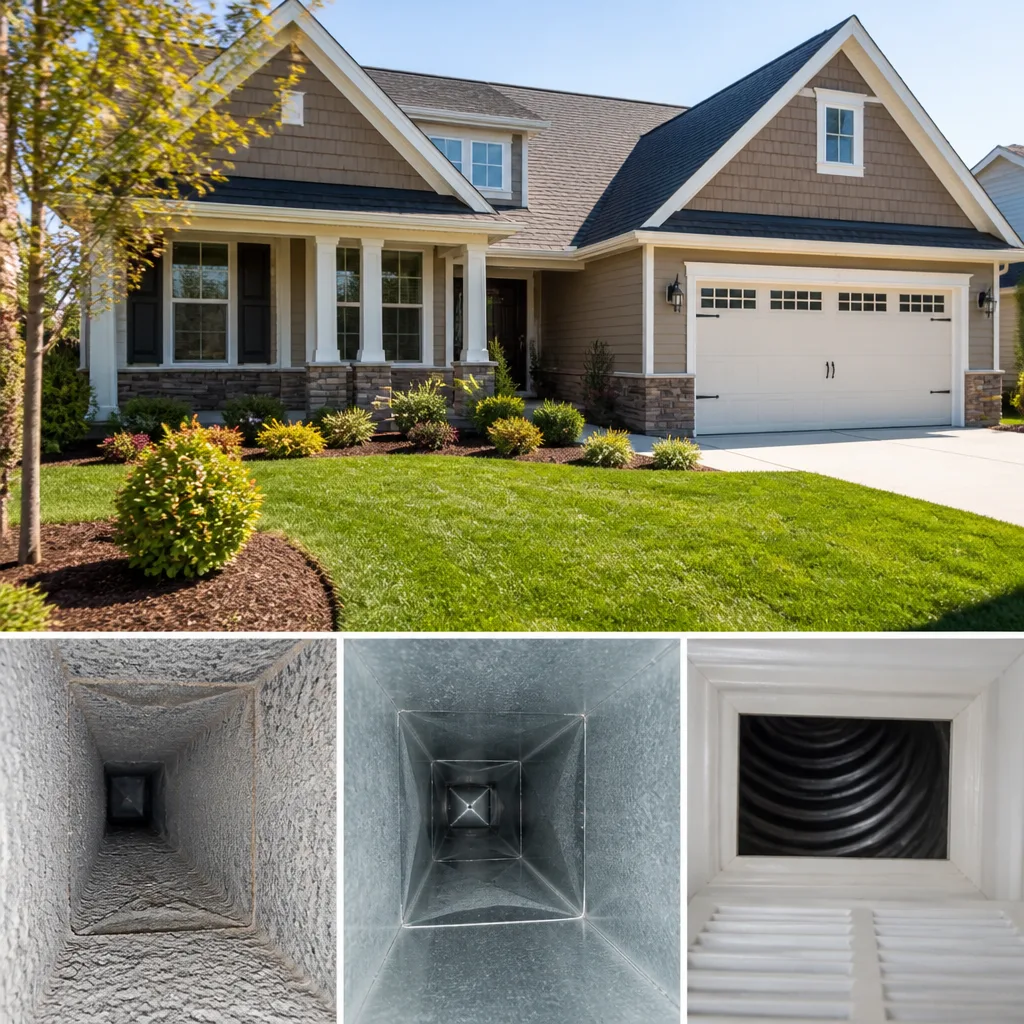 Whole-home duct cleaning
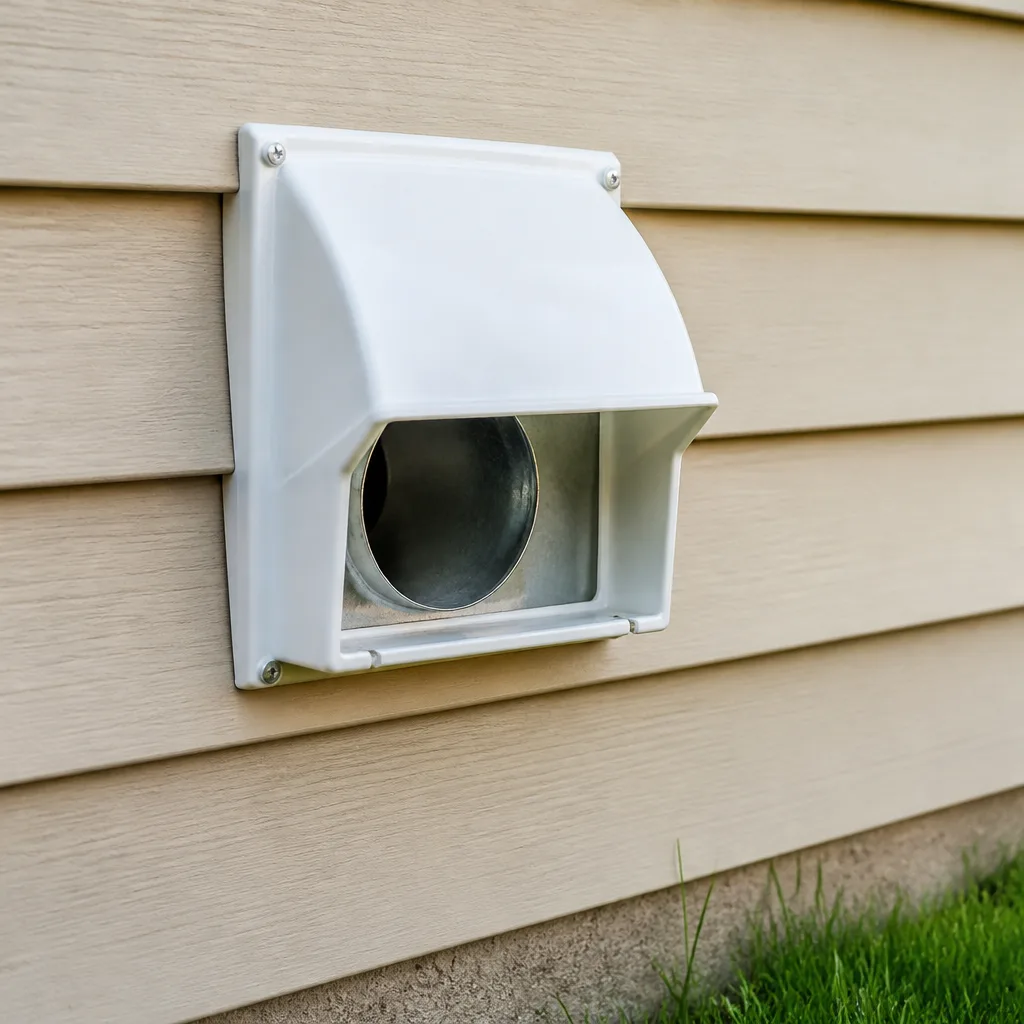 Dryer vent cleaning
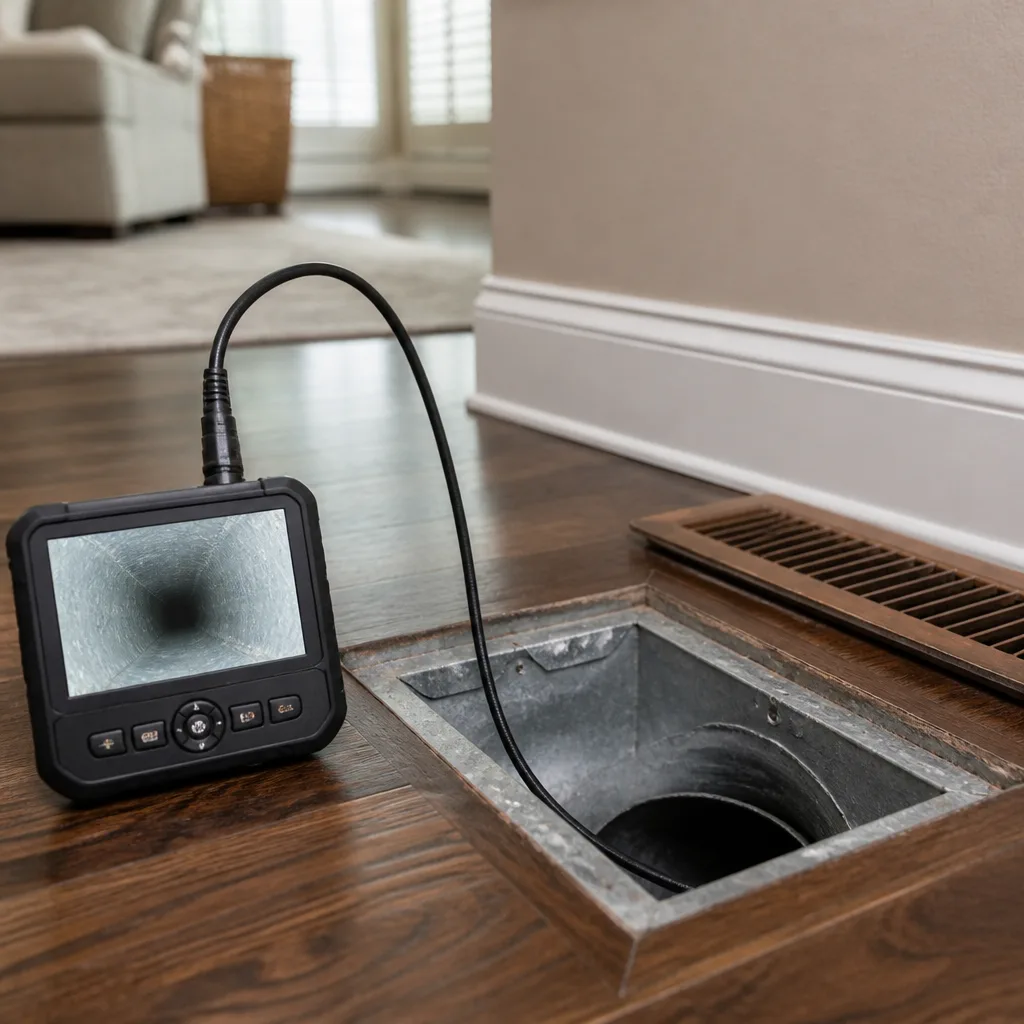 Camera inspection
 Sanitizing & deodorizing
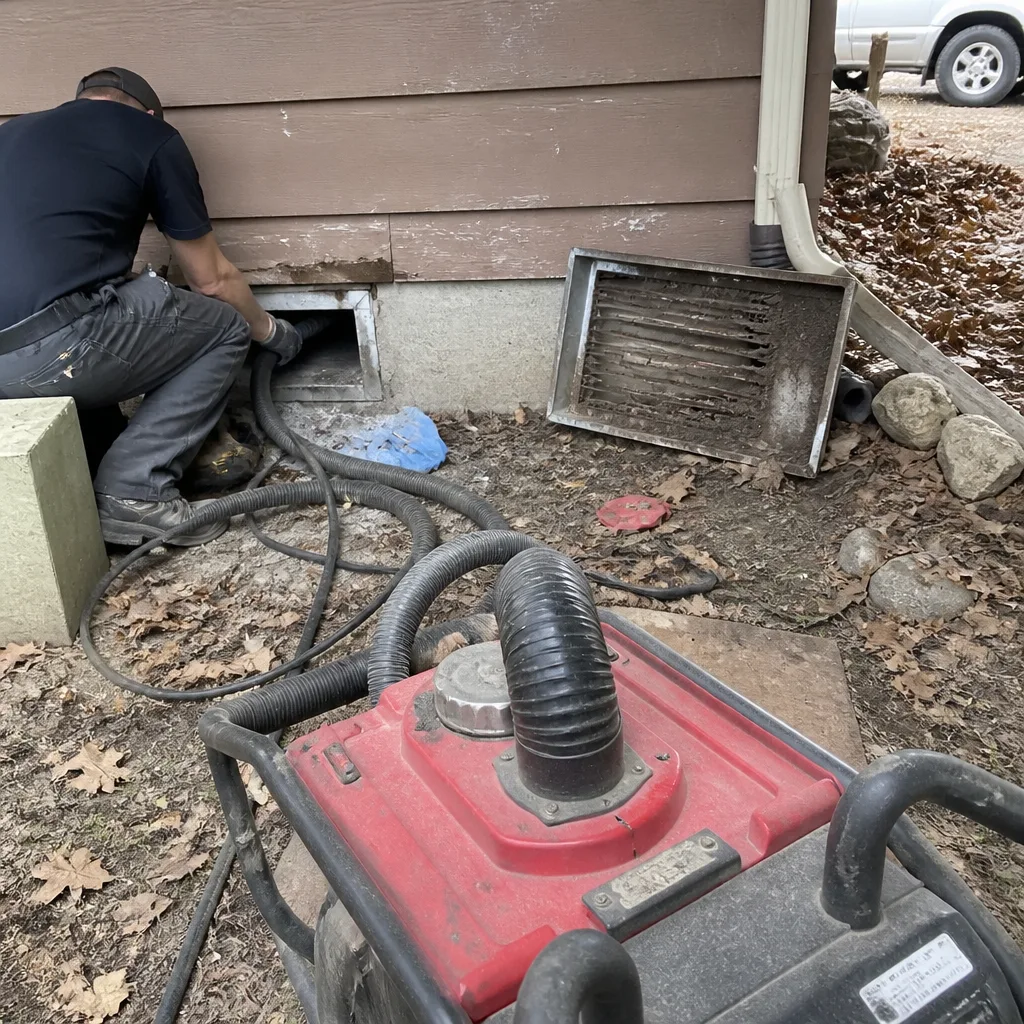
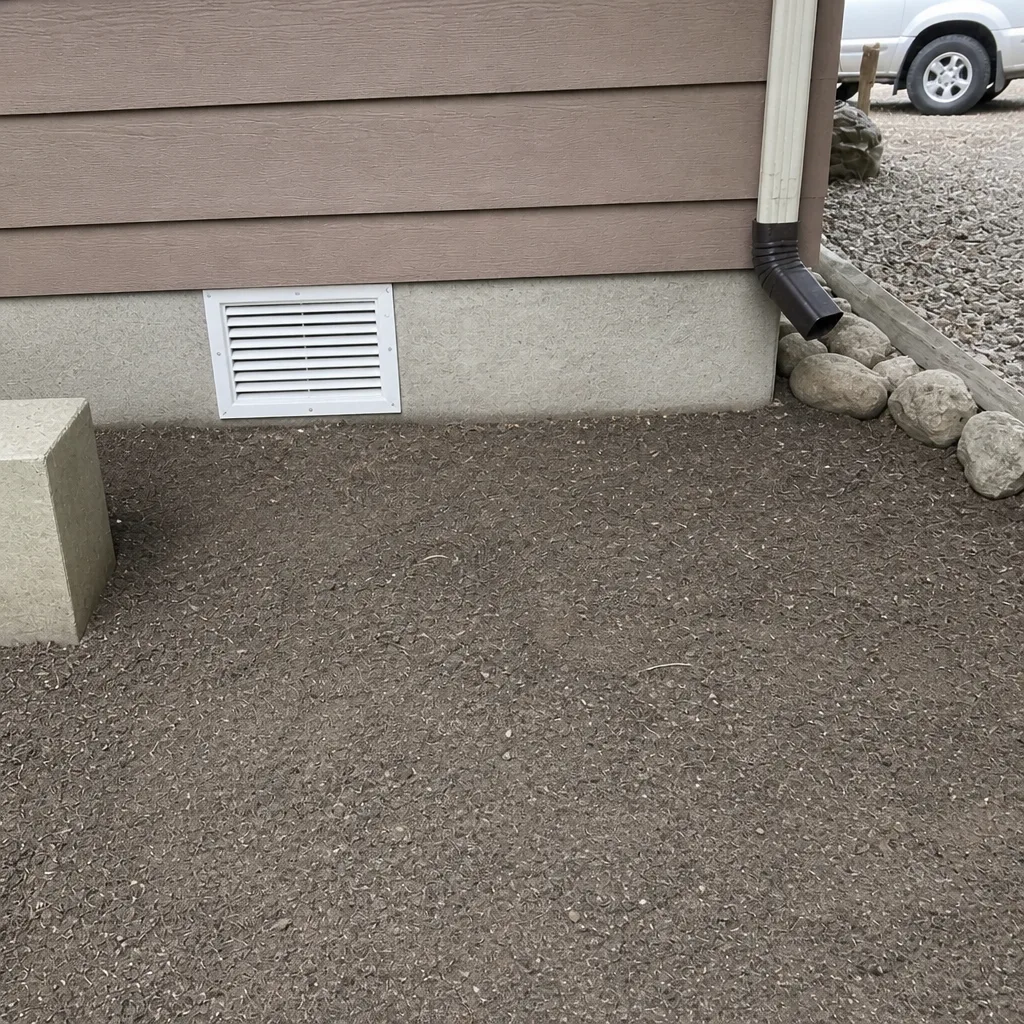
Whole-system duct and dryer vent check with before-and-after photos - you see exactly what came out of your vents
That "$99 whole-house special" is a bait ad - the real number appears once they are in your hallway, or the "clean" is a shop-vac at the register. We photograph the inside of your ducts before and after instead.
How to Hire an Air Duct Cleaning Contractor in Kaysville: A Step-by-Step Guide
In most states, and Utah is one of them, nobody hands a duct cleaner a license that proves they know what they’re doing. There’s no state exam to pass, no minimum equipment requirement, no inspection of the work. A crew can print business cards on Monday and be in your crawlspace on Tuesday. That puts the entire vetting job on you, the homeowner. The good news is that the questions that separate a real duct cleaning company from a guy with a shop vac are simple, specific, and you can ask every one of them over the phone before anyone rings your doorbell in Kaysville. This guide walks you through that process step by step.
Quick Answer
To hire an air duct cleaning contractor in Kaysville, verify three things before booking: the equipment they use, how they’ll access your ductwork, and whether they can show you proof of the work afterward. Ask about rotary-brush and HEPA vacuum equipment, ask what access method they’ll use, and get the scope of work in writing with the price stated per system rather than per vent. If a quote is flat-rate cheap and the answers are vague, keep calling.
Styles & brands we work with
- Whole-home duct cleaning
- Dryer vent cleaning
- Camera inspection
- Sanitizing & deodorizing
Table of Contents
- Why Vetting Matters More Than You Think in Utah
- What NADCA Certification Actually Means
- The Five Questions to Ask Before You Book
- Red Flags in a Duct Cleaning Quote
- Why Local Knowledge of Kaysville Construction Matters
- How to Structure the Job So You Can Verify Completion
- Cleaning Is Only Part of the Job
- Common Mistakes to Avoid
Why Vetting Matters More Than You Think in Utah
Utah has no statewide licensing requirement for air duct cleaning. That’s not an opinion, it’s the reality of how the trade is regulated here. Compare that to, say, electrical work, where a licensed electrician faces testing, continuing education, and a code the whole state enforces. Duct cleaning has none of that. The barrier to entry is a truck, a hose, and a phone number.
What this means for you as a Kaysville homeowner is that the market includes genuine specialists and casual operators side by side, and they often charge similar prices. The difference shows up in what happens inside your home. A real crew arrives with equipment purpose-built for ductwork and a plan for getting into the system without damaging it. A casual operator improvises.
We’ve seen the results of both. Ducts cleaned with repurposed shop vacs and improvised blowers, which mostly stir dust loose and push it back through the registers rather than capturing it. Access holes cut without sealing panels left behind, which is a leak in the system. Flex duct collapsing under careless brushing, which restricts airflow in a way you feel on your next heating bill.
Kaysville homes also sit in a stretch of northern Utah with real seasonal swings, from dry summer dust to winter inversion air. Whatever gets pulled into your return, the cleaning work needs to actually capture it and remove it from the house, not distribute it around the living room. More than anything, that’s the test of whether your contractor brought the right equipment.
So the vetting process is not paranoia. It’s the entire game. The rest of this guide gives you the questions to ask, in order, so you can do that vetting in about fifteen minutes on the phone.
What NADCA Certification Actually Means
NADCA, the National Air Duct Cleaners Association, offers industry certifications many reputable companies hold, and you’ll see NADCA logos on websites and truck doors all over Utah. It’s worth understanding what that means, because it’s frequently misunderstood.
NADCA certification typically requires passing an exam on duct cleaning practices, agreeing to a code of ethics, and in many cases staying current through continuing education. It signals that a company has invested in knowing the standards. That’s a real signal, and it’s why reputable contractors display it.
What it does not do is guarantee the specific crew that shows up at your door will clean to that standard. Certification lives at the company level. The work lives with the two or three people actually handling the equipment in your home. It’s also not a license: it’s a voluntary industry mark, not a government credential, and Utah does not require it.
In our experience, NADCA membership is a useful floor, not a ceiling. It tells you the company is serious enough to invest in the standards. It doesn’t tell you they brought the right vacuum, or that they’ll use the right access method on the 1990s tract home you live in. You still need to ask. If you’re comparing companies, use the certification as a first filter and then run the five questions below on every one of them.
The Five Questions to Ask Before You Book
Here’s the checklist. Ask these five questions before you say yes to any quote in Kaysville. You’ll get a lot of information from how a contractor answers, more from whether they answer precisely.
- What equipment will you bring? The answer should include a rotary brush system and a truck-mounted or portable HEPA vacuum. Rotobrush rotary-brush systems and Nikro HEPA-filtered vacuums are the professional platforms we work with, the same ones used in commercial duct cleaning. If the answer is “a shop vac” or “a blower,” you’re talking to the wrong crew.
- How will you access the ductwork, and will you seal the access points when you finish? Every duct cleaning job requires access. The contractor needs to know whether they’re going through existing registers, accessing from the trunk line, or cutting and sealing new access panels. If they don’t have an answer, they haven’t looked at enough systems.
- Do you use negative pressure, and how do you verify it? Negative pressure means the vacuum pulls air inside-out while you brush, so dust doesn’t escape into the home. Good crews use it, can describe it, and can often show you readings. If it’s not part of their process, dust ends up back on your furniture.
- Are you cleaning or sanitizing, and are they the same thing? Cleaning removes dust and debris. Sanitizing addresses mold, bacteria, and biological allergens that settle in a moist duct. They’re different services with different prices. A good contractor will tell you which one you need, not just offer the upsell.
- What’s excluded from this quote? Get it in writing. Does the price include dryer vent? Repair of any leaks they find? Access panel installation? Any contractor who can’t answer this clearly is pricing in a surprise.
Every one of these questions is designed to be answerable by a professional in one sentence. If the answers are hedged or you get the sense the person is guessing, that’s your answer too.
Red Flags in a Duct Cleaning Quote
You’ll see these warnings in the quote itself. The pricing structure alone tells you a lot about how a company operates.
- A flat rate under $150 for a full-system clean. Not all low pricing is bait, but a number this low usually means a partial job. They may not touch the trunk line. They may skip half the registers. They may not have the equipment to clean thoroughly. Take the number seriously as a limit on what’s included.
- No mention of access panels. A real clean requires access, and installing an access panel costs money. If the quote has no line item for it, either they’re not going there or they’ll charge you for it later.
- No option for camera inspection. Ductwork damage isn’t always visible from the register. A contractor who can’t inspect the interior is cleaning blind.
- Pricing per vent with no system total. Per-vent pricing is designed to balloon. You look at a base rate, then they discover “more vents than expected” and the invoice grows. Whole-system pricing with a written estimate doesn’t do that.
- No mention of what happens to the debris. If the work captures debris in a HEPA vacuum, it leaves with the crew. If it doesn’t, debris ends up somewhere in your home.
- Pressure to book today. Any service that genuinely needs to be done this week can also be done next week. Contracts are worth less when signed under pressure.
The pattern across all these is the same: the cheap quote is usually cheap because something is missing. The question is what. Ask what’s excluded and you’ll usually find it.
Why Local Knowledge of Kaysville Construction Matters
Kaysville housing stock is predominantly what you’d call tract construction, built roughly between the 1980s and the 2000s. That era matters for ductwork. Many of these homes were built with flex duct, which is faster and cheaper to install than rigid metal. Flex duct is perfectly adequate when it’s properly installed and properly supported, and it’s brittle when it isn’t.
A crew that understands 1990s Kaysville tract homes knows that. They know flex duct needs careful rotary brushing with an appropriate head, not aggressive steel brushing that tears the liner. They know the runs are often short and winding, which affects air velocity and dust accumulation patterns. They know that attic access in these homes usually means checking the trunk line for sagging or disconnected joints.
National franchise crews, in practice, often bring a one-size-fits-all approach. The technician who shows up may have been trained on a standard run that doesn’t match what’s in a Kaysville rambler or split-level. They rotate through neighborhoods and cities and know the standard shape of the work, but not necessarily your home’s shape.
This is one reason we emphasize equipment we can actually adapt. Our technicians use Rotobrush rotary-brush systems, which are designed to be configured for the specific duct type. A flex-duct run gets a different head than a metal trunk. That variability matters more in a market dominated by older tract construction than it would in a market full of new custom homes with rigid metal everywhere.
Local knowledge isn’t magic. It’s small decisions made correctly at each step. Those decisions add up over sixteen registers in a Kaysville home that’s thirty years old and hasn’t had the ducts touched.
How to Structure the Job So You Can Verify Completion
The single biggest consumer complaint about duct cleaning is that the homeowner has no idea what was actually done. The truck shows up, the truck leaves, and the bill is paid. To avoid that, build verification into the job before it starts.
Here’s how:
- Get the scope in writing. Not a brochure, not a text. A written estimate that specifies which rooms or registers are covered, whether the trunk line is included, whether the dryer vent is included, and any repair or sealing work. The written estimate should also state the price. One flat price per system, agreed before work starts, is what you want to see.
- Ask for before-and-after photos of your own ducts. Not stock photos from the company website. Photos of your system, showing the before condition, the after condition, and the access point. Good crews have camera equipment and take these routinely.
- Confirm the access plan and the sealing plan. Know where they’re going to cut, and confirm they’ll install permanent sealed access panels there rather than leaving an open hole.
- Ask what equipment will be on-site and confirm it when the crew arrives. If the estimate says Rotobrush and Nikro, the crew should show up with Rotobrush and Nikro. If it shows up with a shop vac, that’s your cue to end the visit.
- Ask for a completion walk-through. The crew should walk the system with you, show you the panels they installed, show you the camera photos, and answer any questions before they leave.
Done this way, there’s no ambiguity. You know what you bought and you know what you got. To see this process described for a single-home scope, the air duct cleaning page walks through what a full-system job includes. If you’re dealing with a dryer vent that’s never been touched, the dryer vent cleaning page covers that separately, since dryer vents have their own fire-safety stakes and their own cleaning method.
A small note on safety. If your home has a gas furnace or gas appliances, any work near the HVAC system needs to preserve the integrity of combustion venting. Trained technicians know this. Don’t let an unvetted contractor touch a system they can’t verify they understand.
Cleaning Is Only Part of the Job
Air duct cleaning removes debris. It doesn’t fix a system that’s leaking air, flex duct that’s collapsed, or joints that have pulled apart. Those problems don’t go away with a brush. They get cleaned around and left in place. That’s why we treat duct cleaning, dryer vent cleaning, HVAC cleaning, duct repair and sealing, and air quality and sanitizing as pieces of the same job.
The system view matters most for homeowners with allergy symptoms, energy bills that creep up, or HVAC performance that doesn’t match what the system is rated for. Those are symptoms of a whole-home air quality issue, and they’re usually not fixed by cleaning alone. Leaky ducts pull unconditioned attic air into the living space. Collapsed flex duct restricts airflow at the register. Biological growth in a moist duct keeps releasing spores regardless of how clean the visible dust is.
This is why we do duct repair and sealing alongside the clean, and why we install products from Aprilaire and Honeywell for whole-home filtration and humidity control. If the underlying issue is filtration, we can add filtration. If it’s biological, we use sanitizing options with Abatement Technologies equipment and HEPA-level containment appropriate to the situation. The point isn’t to upsell. It’s to find the problem, then fix it, rather than do the surface step and leave the cause in place.
If you’re considering HVAC cleaning as part of the same visit, we can combine both in a single appointment. That eliminates the need to hire two contractors for one air system. Property managers maintaining multiple units benefit from the same combined scope, and one written estimate covering all the work.
Common Mistakes to Avoid
- Booking based on price alone. The cheapest quote in Kaysville is often the one that leaves half the system untouched. Compare scope, not just the number. Ask what’s excluded from each quote so you’re comparing apples to apples.
- Not asking about equipment. If you don’t ask, some operators will assume you don’t care. Asking about Rotobrush and Nikro is not a technical overreach; it’s a basic filter. If they can’t name their equipment, they’re not bringing professional equipment.
- Ignoring the access question. Access is the single detail that most reveals how seriously a crew takes the job. A contractor who can’t describe how they’ll get in has never thought about it.
- Treating cleaning as the whole job. Cleaning around a leak is wasted work. If you’re seeing energy bill creep or HVAC symptoms, ask whether repair and sealing are on the table, not just cleaning.
- Skipping the written estimate. Verbal quotes become surprise invoices. The written estimate is your protection. It should state the scope, the price, and what’s excluded.
- Not asking for photos of your own ductwork. Photos of your actual system are the difference between “we cleaned your ducts” and “we cleaned your ducts, here’s the proof.” Insist on them.
- Assuming newer Kaysville homes don’t need it. Homes from any era accumulate debris in the duct system. Newer construction isn’t exempt just because it’s newer.
When to Call a Professional
Some signs are obvious. Visible dust blowing from a register the moment the furnace kicks on. A musty smell that comes from the vents rather than the room. Allergy symptoms that show up indoors and ease up when you leave. Others are subtler: energy bills that climb without a rate change, a heat pump that seems to run longer than it used to, or visible dust accumulation in the return that reappears faster than it should.
Dryer vents deserve a specific mention. A clogged dryer vent is a genuine fire-risk hazard, and lint accumulation isn’t always visible from the outside. If your dryer takes longer than it used to, or the exterior vent flap doesn’t open fully during a cycle, that’s worth diagnosing.
For any of these, a free estimate gives you an honest diagnosis. Kaysville Air Duct Cleaning offers free estimates in Kaysville – call (877) 792-5756. Written estimates are given per system, in writing, before work starts. For an overview of the full-service scope, the Kaysville Air Duct Cleaning home page covers all five services and how they fit together.
Frequently Asked Questions
Air duct cleaning in Kaysville is priced per system, not per vent, and the typical range depends on the size of the home, the number of registers, and whether trunk line cleaning and repair are included. Because we give a written estimate before work starts, there’s no ambiguity once the price is set. The written estimate is the final price. Call (877) 792-5756 to get an exact quote for your home; estimates are free.
Cheap quotes are usually cheap because something is missing: equipment, access points, trunk line coverage, or all three. A quote under $150 for a full-system clean on a Kaysville home is unlikely to cover the same scope a proper quote does. Ask each contractor what’s excluded, compare like for like, and you’ll usually find the difference. Call (877) 792-5756 if you’d like an apples-to-apples quote to compare against what you’ve received.
You know because you have written scope, before-and-after photos of your own ducts, and a walk-through at completion. Any professional contractor should provide all three. If the estimate only describes the service in broad terms and the crew can’t show you before-and-after photos when they’re finished, you have no way to verify anything. Call (877) 792-5756 to discuss how customer photo verification works on our jobs.
For most Kaysville homes, every three to five years is reasonable, but it depends on the home. Homes with pets, recent renovations, allergy sufferers, or long-neglected ductwork typically benefit from cleaning sooner. If you’re not sure whether you need it, a walkthrough estimate will tell you. Call (877) 792-5756 for a free estimate that includes a visual inspection of your ducts.
NADCA certification is a helpful signal that a company invests in industry standards, but it’s a floor, not a guarantee. Utah doesn’t require licensing for duct cleaning, so the certification is one of several things to verify. Ask about equipment, access method, and verification steps alongside certification. Call (877) 792-5756 to discuss our process, including the Rotobrush and Nikro equipment we use.
Duct cleaning can help reduce dust and allergen load in the home if the ducts are actually carrying debris into the living space, but cleaning alone doesn’t solve every allergy issue. If the underlying cause is filtration or humidity, whole-home solutions from Aprilaire or Honeywell may help more than cleaning. A free estimate in Kaysville includes an assessment of which solution matches your situation. Call (877) 792-5756 to book one.
The Bottom Line
In a state with no licensing requirement for duct cleaning, your vetting process is the only thing protecting you from a bad crew. Ask the five questions: equipment, access, negative pressure, sanitizing, exclusions. Watch for the warning signs in a quote: flat-rate under a realistic range, no access panels, no camera option. Get the scope and price in writing before anyone arrives. Build verification into the job with before-and-after photos of your own ducts and a completion walk-through. And remember that cleaning is only one part of a whole-home air quality solution. If you want to put these questions to a local contractor familiar with Kaysville housing stock, call (877) 792-5756 for a free estimate. We answer 24/7. Fast dispatch from 7am to 7pm, Sunday through Friday.
Free estimates, in writing
Our technicians have up to 12 years of experience and use Rotobrush and Nikro equipment on every job. Before work starts you get one flat price per system, agreed in writing. When the job is done, you get before-and-after photos of your own ducts. Call (877) 792-5756 for an estimate on your Kaysville home.
Written by the team at Kaysville Air Duct Cleaning.
See the difference
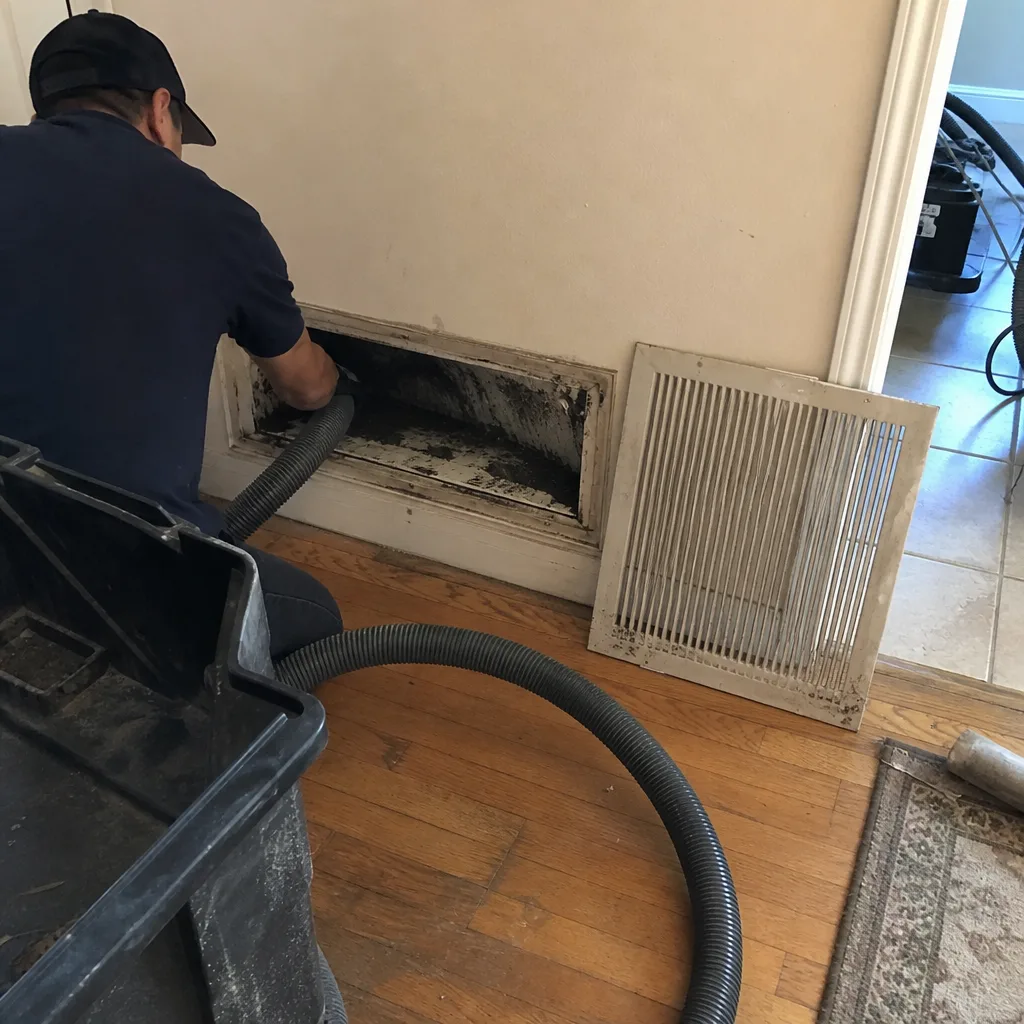 Before
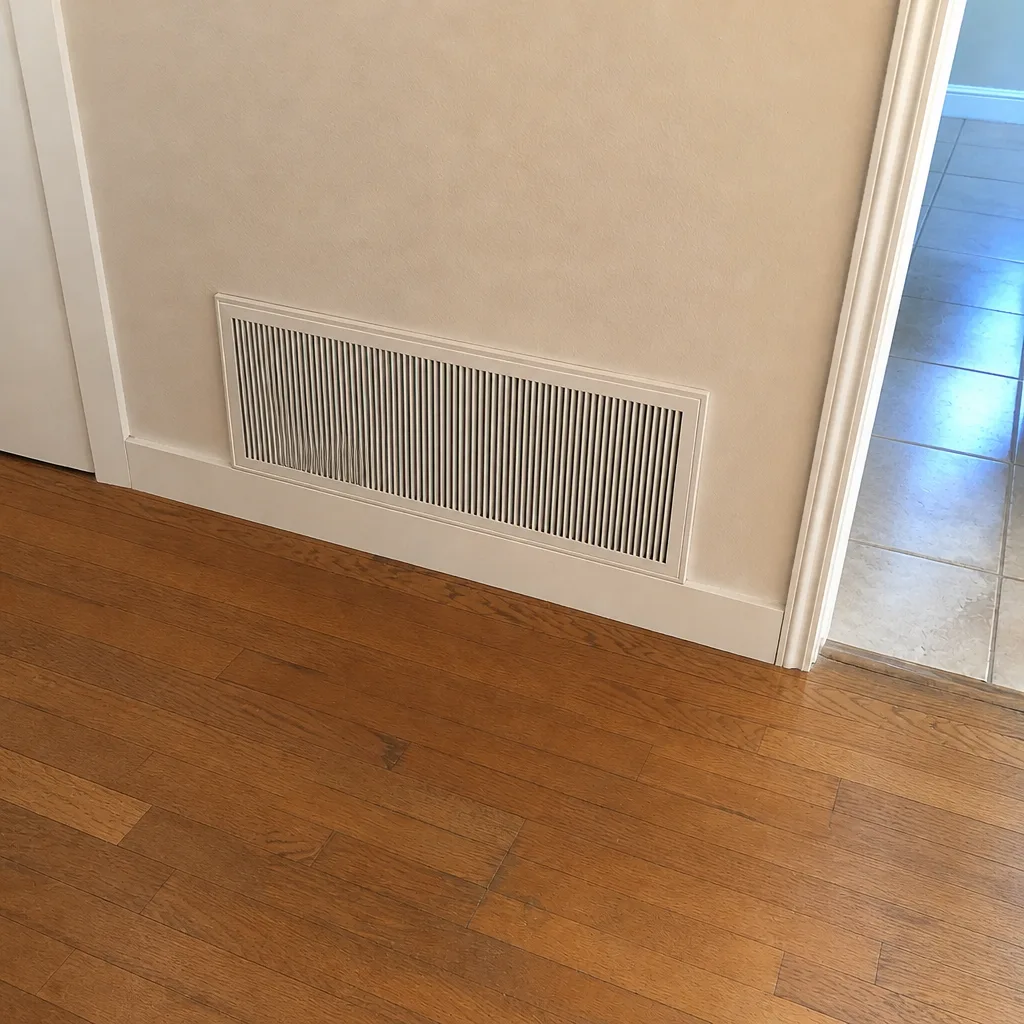 After
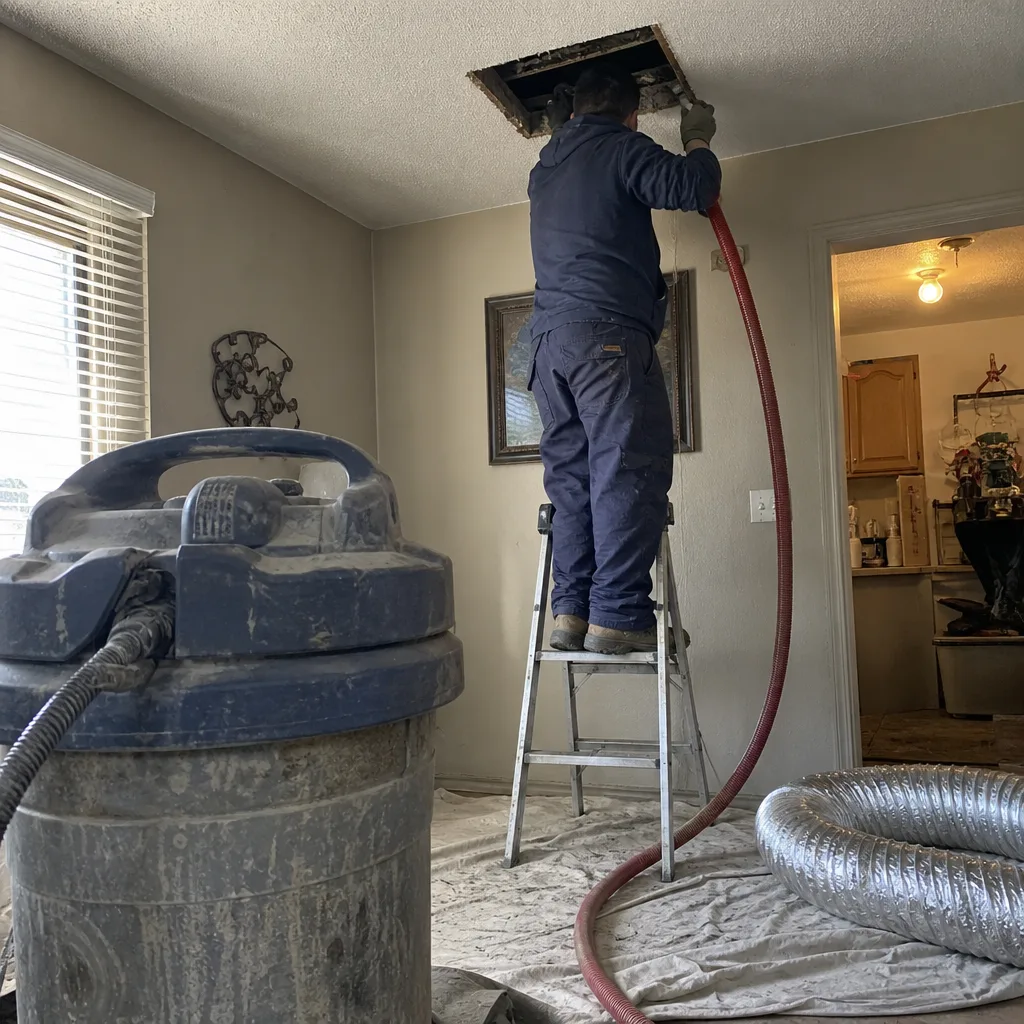 Before
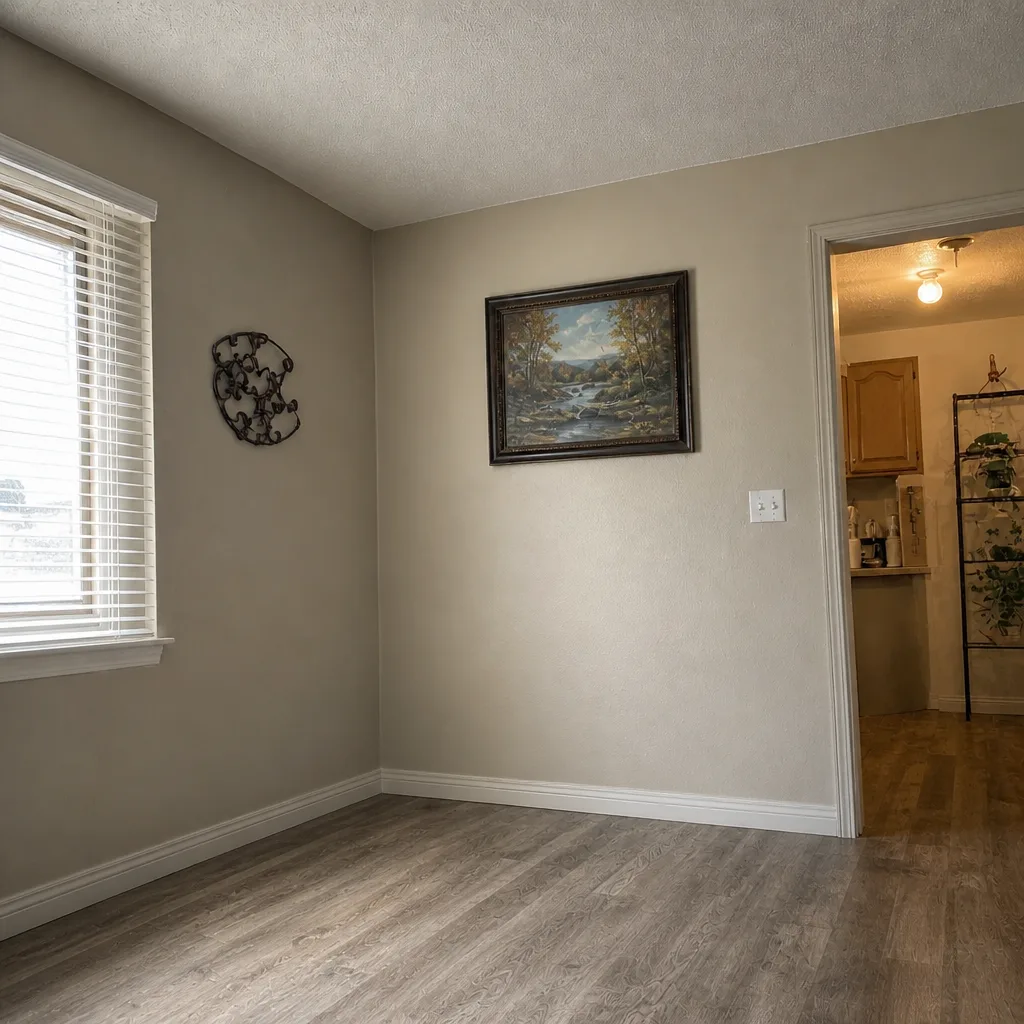 After
 Before
 After