
Last updated November 24, 2026
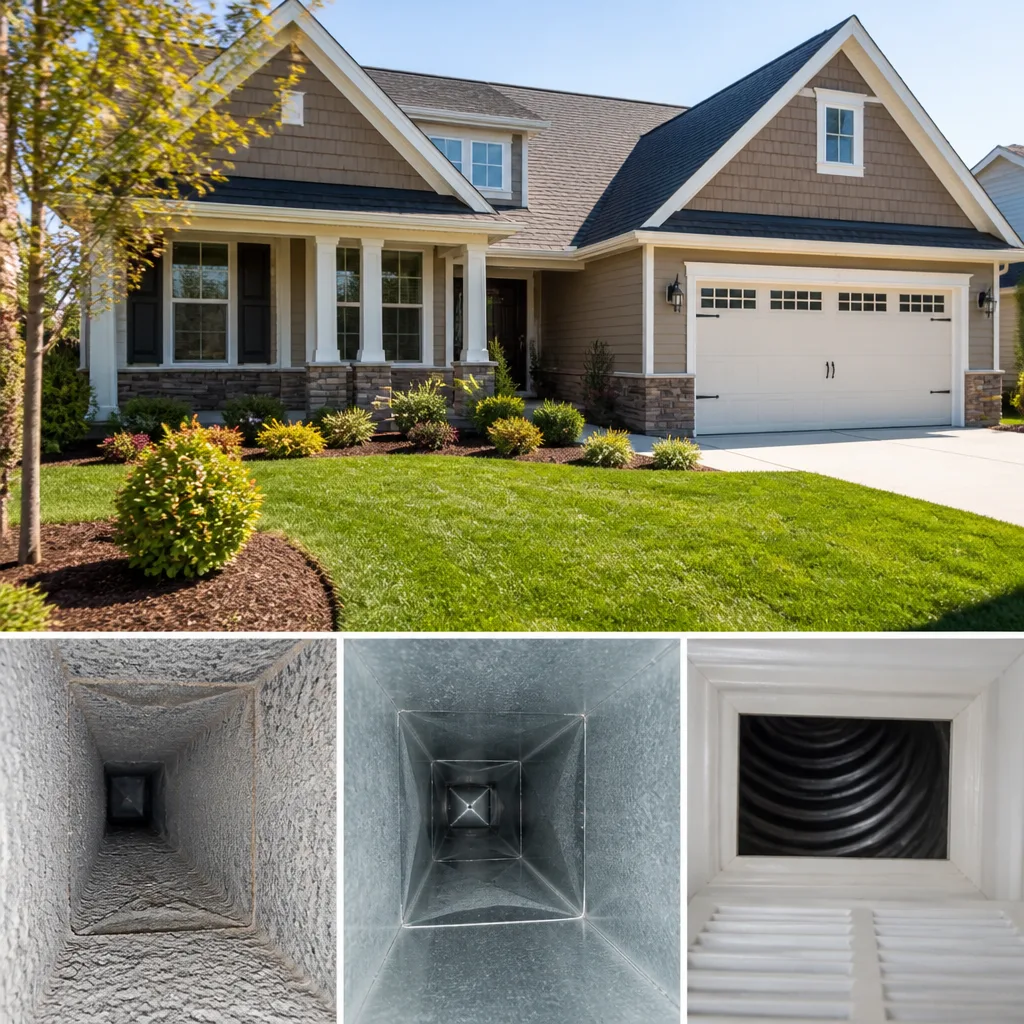 Whole-home duct cleaning
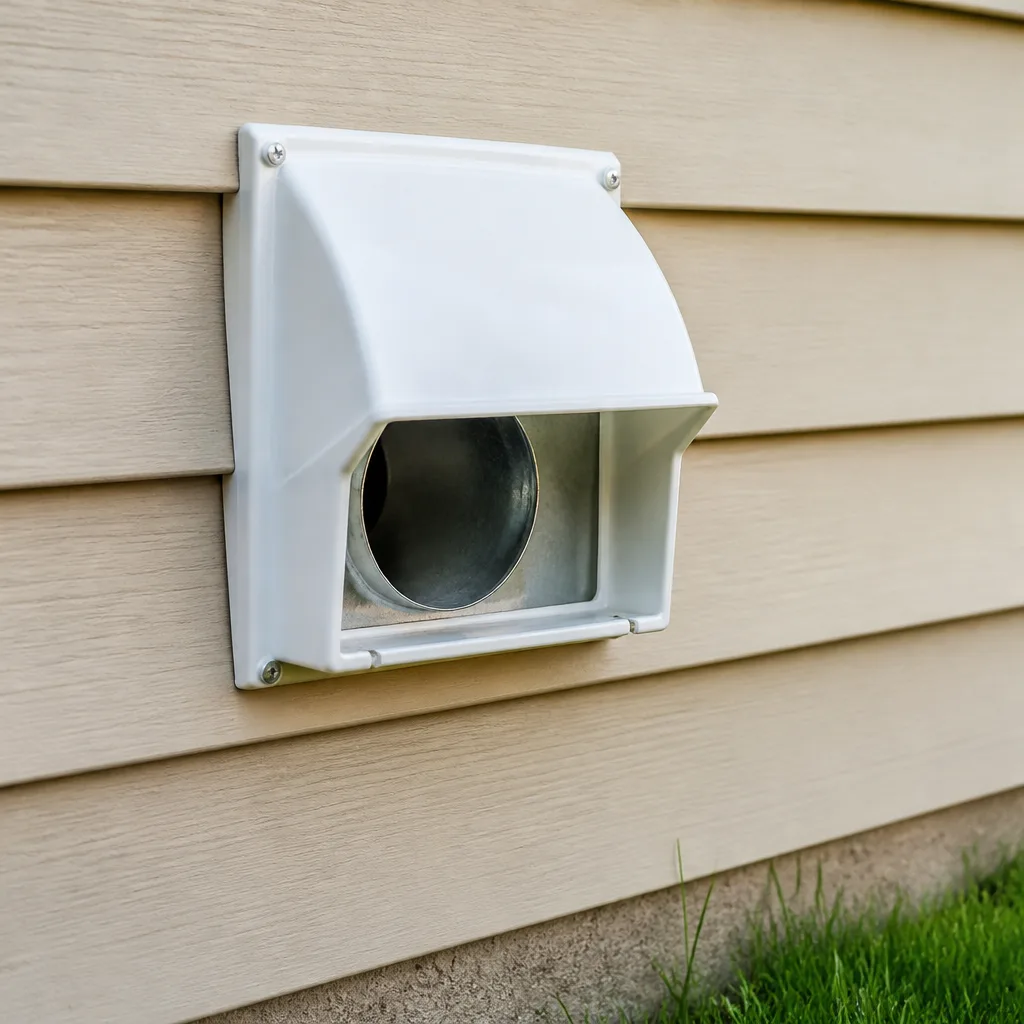 Dryer vent cleaning
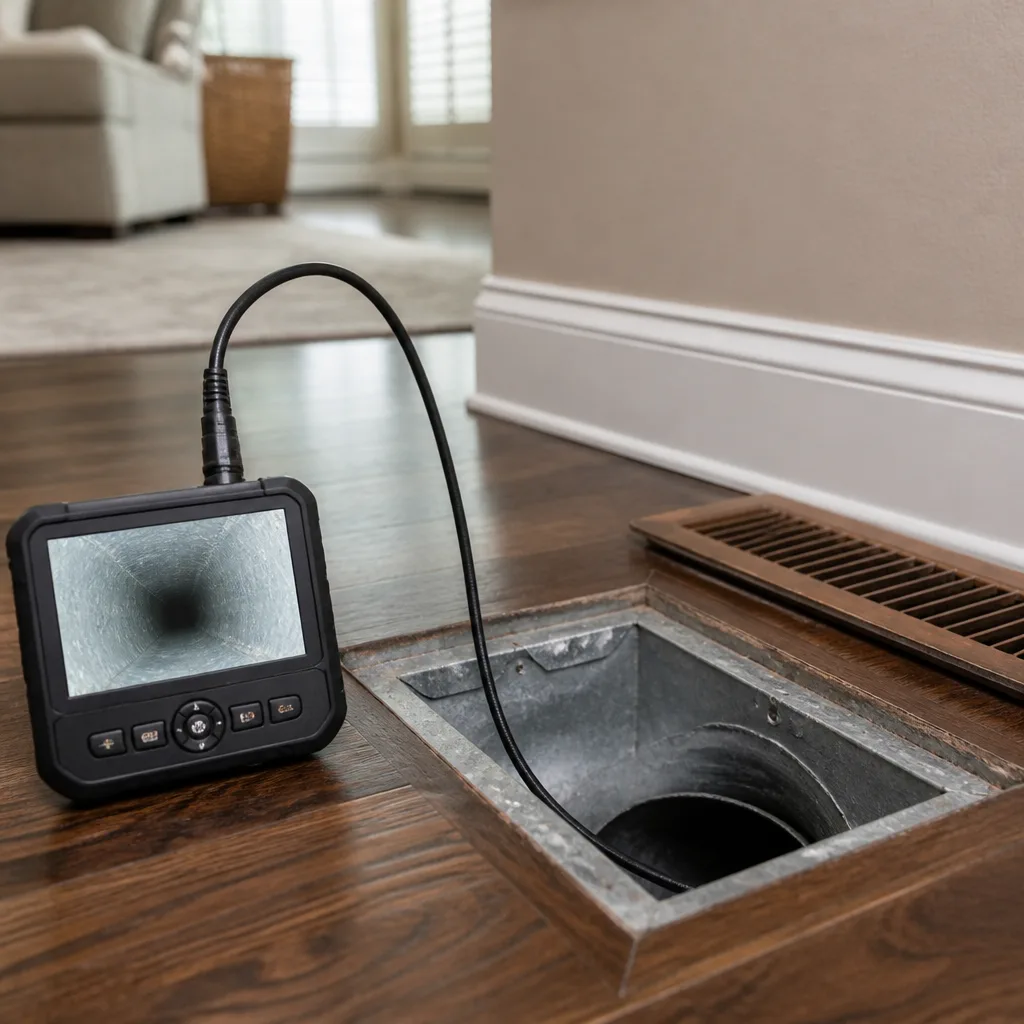 Camera inspection
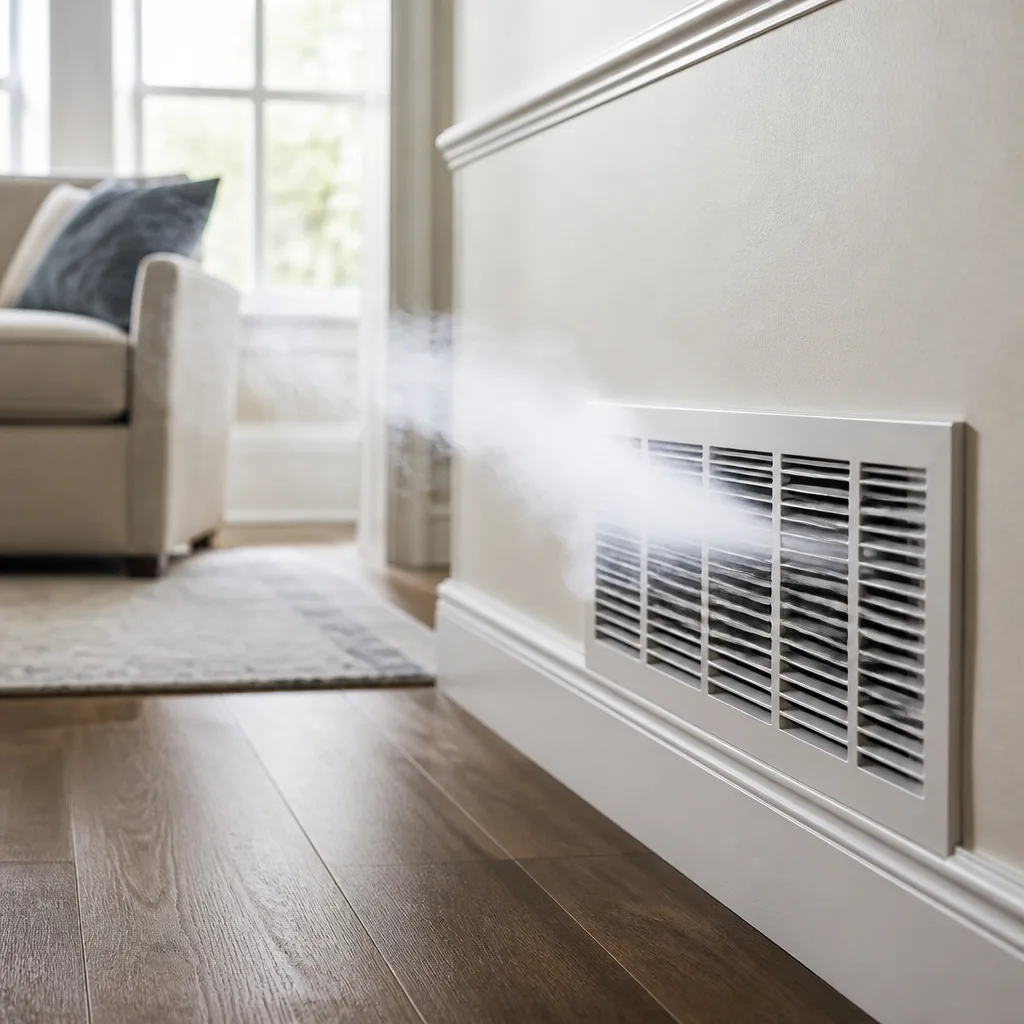 Sanitizing & deodorizing
Whole-system duct and dryer vent check with before-and-after photos - you see exactly what came out of your vents
That "$99 whole-house special" is a bait ad - the real number appears once they are in your hallway, or the "clean" is a shop-vac at the register. We photograph the inside of your ducts before and after instead.
DIY vs Professional Air Duct Cleaning: The Kaysville Homeowner’s Decision Guide
Here’s the part most duct cleaning advice skips: the dust you can see on the register grille is not the dust that’s circulating through your Kaysville home. The contamination that shapes what your family breathes sits 6 to 20 feet back inside the duct run, where a shop vac hose can’t reach and ladders don’t go. That gap between the register face and the far end of the duct is the whole conversation about DIY versus professional work. In this guide, we’ll walk through exactly what a homeowner with good tools can accomplish, where those tools stop working, what portable brush attachments actually do to the air in your home, and how to make an honest call for your own situation. No scare tactics. Just a clear line between what’s worth doing yourself and what’s worth paying for.
Quick Answer
You can handle register cleaning, filter changes, and visual inspections yourself. You can’t clean the inside of the duct runs without negative-pressure equipment and rotary-brush tools, which cost far more than a professional cleaning does. If you suspect debris buildup, mold, or post-renovation contamination, hire a professional rather than agitating the debris with a drill brush.
Styles & brands we work with
- Whole-home duct cleaning
- Dryer vent cleaning
- Camera inspection
- Sanitizing & deodorizing
Table of Contents
- What a Shop Vac and Brush Kit Can Actually Do
- The Plenum Problem: Why Negative Pressure Changes Everything
- Drill Brushes: A Tool That Agitates More Than It Cleans
- The Real Cost of DIY Equipment in Kaysville
- What’s Genuinely DIY-Appropriate in a Kaysville Home
- Three Honest Thresholds for Calling a Professional
- How Kaysville’s Climate and Housing Shape Duct Debris
- What a Professional Cleaning Actually Involves
What a Shop Vac and Brush Kit Can Actually Do
A homeowner with a decent shop vac and a Home Depot brush kit can accomplish real work, just not the work people picture. Here is the honest inventory of what’s achievable with consumer tools:
- Register and grille cleaning. You can remove the grille, scrub the face, and vacuum what’s visible just inside the boot. This makes a visible difference and is worth doing periodically.
- Filter changes. One of the highest-return tasks in indoor air quality. Changing filters on schedule with a quality MERV-rated product does more for daily air quality than a lot of cleaning.
- Visible debris removal near the register opening. Anything reachable within arm’s length can be pulled out.
- Visual inspection. A flashlight and a phone camera can reveal dust accumulation, disconnected joints, and pest signs near the outlet.
- Dryer vent prep. Disconnecting and vacuuming the vent run behind the dryer (using a dryer vent brush) is a legitimate DIY task when the run is short and mostly straight.
What a shop vac cannot do: pull debris from inside the trunk lines, lift settled dust from the vertical risers, clean the blower wheel, or remove contamination from the interior lining of your ductwork 6-20 feet back from the register. That’s not a skill gap. It’s a tool gap, and no consumer vacuum generates the airflow or contains the fine particles for that work. If you’re comparing options for air duct cleaning, that distinction matters before you buy a single tool.
We should also be direct about the fact that in our experience, most of the problems a homeowner can see are the smaller end of the issue. What you find when you pull a register is often a hint, not the whole story.
The Plenum Problem: Why Negative Pressure Changes Everything
Professional duct cleaning works on a simple principle: negative pressure. A high-capacity HEPA vacuum (we use Nikro systems) connects to the main trunk or the air handler, pulling the entire duct system into a slight vacuum. Then a rotary brush (Rotobrush) travels through the system, agitating and pulling debris toward the vacuum intake, where it’s captured by HEPA filtration instead of going into the air or being pushed back into the register.
This is why professional work looks nothing like shop vac work. When you clean from the register with a shop vac, you create positive pressure at that register. That means anything you disturb gets blown through the remaining ductwork and back into the room. A professional setup creates the opposite condition: air and debris flow toward the vacuum, and the HEPA filter captures particles down to 0.3 microns.
Why residential duct runs are longer than they look
A typical Kaysville home with a forced-air furnace has a trunk line that runs 25-40 feet along the basement ceiling or attic, with branch lines dropping 8-20 feet to each register. That’s a lot of interior surface area. And once you’re more than a few feet from a register, no consumer tool can reach it, agitate it, and capture what it loosens.
We find that this is the single biggest thing homeowners underestimate when they call us to ask about HVAC cleaning. The system is much longer than the visible duct.
The containment principle
Professional cleaning also uses HEPA filtration at the vacuum source, not the room. This matters because the act of loosening years of dust from a duct wall (even with a strong vacuum) sends a burst of fine particulate into the air. A HEPA filter captures it. A shop vac with a standard filter bag does not capture it fully. This is why we run Abatement Technologies equipment on harder jobs, since that platform is designed for HEPA-level containment in remediation settings.
Drill Brushes: A Tool That Agitates More Than It Cleans
A portable drill with a flexible brush attachment is the most commonly recommended DIY tool for duct cleaning, and in our experience, it’s also the most commonly regretted purchase.
Here’s the problem. A drill brush does exactly what the name says: it spins a brush inside the duct, agitating dust and debris off the wall. That part works. The part that doesn’t work is that a drill brush has no capture mechanism. Whatever it loosens is now airborne inside the duct. Some of it gets pulled into your HVAC system and pushed out the nearest register. Some of it settles further downstream. A small amount may get stuck to the inside of the flex duct.
In other words: a drill brush as a first-line solution often makes the immediate air quality worse, not better, before it eventually settles. For a homeowner with no allergies, that’s an annoyance. For a homeowner with allergies or asthma, it’s a real problem. And if there’s any moisture or organic growth involved, agitating it without containment spreads spores through the house.
Where the drill brush is actually useful
We’re not saying throw it away. It’s useful for:
- Loose debris near the register opening
- Dryer vent runs (dryer lint compacts differently and captures in the vent brush)
- Scrubbing the register grille itself
- Cleaning inside the return air drop when accessible
What it’s not useful for: full duct runs, trunk lines, or anything involving suspected biological growth. Those need containment and capture, which is the entire point of professional equipment.
The Real Cost of DIY Equipment in Kaysville
Here’s the honest math. A homeowner considering DIY duct cleaning would need, at a minimum:
| Item | Typical Cost | Notes |
|---|---|---|
| Shop vac with HEPA filter | $150-$350 | A wet/dry vac with a true HEPA cartridge, not a stock filter |
| Flexible duct brush kit | $40-$90 | Reaches 8-15 feet in straight runs only |
| Drill brush attachment set | $20-$45 | For the drill you already own |
| Register removal tools and tape | $15-$30 | Minor but real |
| Replacement filter (MERV 8-13) | $20-$60 | Several per year |
| Time investment | 6-12 hours | For a modest single-story home |
Some of these overlap with tools you’d want anyway. A shop vac is useful for a lot of home tasks. But the incremental spend on cleaning-specific tools runs $80-$250, plus a full day of very unpleasant work, plus the incomplete result we’ve just described.
By contrast, full professional air duct cleaning for a typical Kaysville home runs roughly $350-$700 for a standard single-system home, with larger homes and more complex systems costing more. That price is set by a written estimate before any work starts, and it covers the whole system, not per-vent pricing. If you want a clear number for your specific home, call (877) 792-5756. Estimates are free.
When you line the two columns up honestly, DIY tool cost plus time plus incomplete result rarely beats professional service on value. The exception is when you’re not actually trying to clean the ducts (which we’ll get to next).
What’s Genuinely DIY-Appropriate in a Kaysville Home
We’d rather a homeowner do the right maintenance tasks themselves than pay for work that doesn’t need to happen. Here’s what’s worth doing yourself, in order of priority:
- Change the HVAC filter on schedule. Every 60-90 days for standard 1-inch filters; longer intervals for thicker media filters. This is the single highest-return task in indoor air quality and it costs almost nothing.
- Clean register grilles and boots. Remove each register once or twice a year, vacuum the face, wipe it down, and vacuum what’s visible just inside the boot opening.
- Do a visual inspection. With a flashlight, look inside as many registers as you can reach. Note dust level, any sign of moisture, any disconnected joints, any pest evidence (droppings, nesting material).
- Keep return air paths clear. Furniture, rugs, and storage blocking return grilles is a common and easy-to-fix problem.
- Prep dryer vent work. Disconnecting the dryer vent to inspect it, and clearing lint from the first few feet, is legitimate DIY work. If the run is long or convoluted, call for dryer vent cleaning rather than struggle.
- Watch humidity. Kaysville summers dry out fast, but a furnace humidifier can push interior humidity up if it’s running too high. Keep indoor humidity where it belongs, not at 60%+, and you’ll prevent the moisture conditions duct contamination thrives on.
None of this replaces professional cleaning when professional cleaning is warranted. But it dramatically extends the interval between cleanings and helps you spot problems early.
Three Honest Thresholds for Calling a Professional
We don’t think every home needs professional duct cleaning. Some don’t, and we’d rather tell you that than sell you a service you don’t need. Here are the three thresholds where we think professional work is the right call:
Threshold 1: You can see or smell something in the ducts
If a flashlight inspection reveals visible dust buildup thick enough to see at 6 feet back from the register, or if you notice a musty or stale smell when the system runs, that’s a professional job. Dust at that volume means debris in the trunk and branch runs. Smells mean there’s moisture or biological growth somewhere. Both need containment and capture, not a shop vac.
Threshold 2: Allergies or asthma symptoms that correlate with your HVAC
If occupants experience symptoms that worsen when the furnace or AC runs, professional cleaning is worth doing before you assume it’s unrelated. It’s not the first thing to try (change the filter first), but if filters don’t resolve it, duct cleaning with HEPA containment is the next step. This is the case where “skip it” has real health consequences.
Threshold 3: Recent renovation, water damage, or pest activity
Construction dust, water damage from roof leaks or plumbing, or evidence of rodents in the ductwork all cross the threshold. Each of these puts material inside the ducts that a consumer tool cannot safely remove. In these cases, the right service is professional cleaning with remediation-grade containment equipment (which is why we use Abatement Technologies for this work). It’s not a routine maintenance job; it’s a targeted contamination response.
The good news: if none of these three applies to you, DIY filter changes and register cleaning will keep most Kaysville homes in good shape. We’d rather say that than invent a problem. For homes that do cross a threshold, we find that a professional evaluation is usually worth more than three DIY attempts.
How Kaysville’s Climate and Housing Shape Duct Debris
Kaysville’s housing stock is a mix of newer construction on the east bench and older homes closer to Main Street. That mix matters for duct debris, because the biggest factor in duct contamination is not climate. It’s what got into the house during construction or renovation, and how well the original install was sealed.
What we see most often in Kaysville
- Post-construction dust. Homes built in the last 15-20 years, especially in the newer subdivisions east of I-15, often have fine construction dust settled in the trunk lines that never fully clears through normal operation. This is one of the most common reasons Kaysville homeowners ask about professional cleaning.
- Dry, dusty summers. Kaysville summers run dry and windy. Fine dust from landscaping work, fields, and construction sites gets pulled into return air. A good filter catches most of it, but not all.
- Winter inversion season. Wasatch Front inversions concentrate outdoor particulate in the valley, and during those stretches indoor air quality depends heavily on how well your filtration system is set up. Duct contamination plus a marginal filter is a compounding problem, not a single one.
- Flex duct in attics. A lot of Kaysville attic runs use flex duct, which has more surface area per foot than rigid ductwork and collects debris faster. It also is harder to clean without the right rotary tool.
- Basement return drops. Many Kaysville homes have a return drop running down to a basement return, and this is often the dirtiest section in the house because it’s the first thing warm return air hits.
If you’ve been in your Kaysville home through a couple of full seasons and you’re noticing more dust on the furniture than you’d expect, or a smell when the heat kicks on, we’d start with a filter upgrade and then a professional inspection. For a full walkthrough of duct maintenance timing in this area, see Kaysville air duct cleaning.
What a Professional Cleaning Actually Involves
For comparison purposes, here’s what a professional duct cleaning visit looks like, since knowing the process helps you evaluate quotes and understand what a fair price covers:
- Inspection first. A technician opens several registers, uses a camera or flashlight to assess debris level, checks the air handler and return drop, and confirms the system layout. This takes 15-25 minutes and informs the cleaning plan.
- Set up the vacuum and containment. A high-capacity HEPA vacuum (Nikro in our case) connects to the main trunk or air handler. Every register is either sealed or connected to the negative pressure side of the system.
- Rotary brush cleaning. A rotary brush runs through each branch line from the register back toward the trunk, and through the trunk line itself. The brush agitates; the vacuum captures. (Rotobrush equipment is designed for exactly this sequence.)
- Air handler and blower cleaning. The blower wheel, evaporator coil access, and interior of the air handler are cleaned while the system is under vacuum.
- Sanitizing (when needed). If biological growth, odor, or contamination is present, a sanitizing treatment is applied inside the cleaned ducts. This is where our Air Quality & Sanitizing service fits in.
- Repair and sealing. Any disconnected joints, torn flex duct, or unsealed seams found during cleaning are repaired and sealed. This is a big one: most basic cleaning companies clean and leave, and leaks stay leaks. Duct repair and sealing in-house means we find the problem and fix it in the same visit rather than cleaning around it.
- Documentation. Before-and-after photos of the ducts, and a written summary of what was cleaned, repaired, and sealed. If you ever want to confirm the work was done, this is the record.
Whole-home air quality upgrades (Aprilaire and Honeywell products, for instance) are a natural add-on when the cleaning reveals a gap in filtration or humidity control. That’s how whole-home IAQ gets solved: clean, repair, seal, then filter and treat.
Common Mistakes to Avoid
- Buying a drill brush kit and thinking the job is done. As we covered, a drill brush agitates more than it captures. Buying the tool and using it without a containment vacuum is often worse than doing nothing, because it can push debris into the room.
- Cleaning only the registers. Register cleaning is useful, but it addresses 5% of the duct system’s surface area. Skipping the duct runs themselves means the deeper debris never moves.
- Using a shop vac with a standard filter on a HEPA job. Standard shop vac filters leak fine particulate. If you’re cleaning near a HEPA-worthy contamination source (post-renovation dust, rodent evidence), a shop vac is not the right tool.
- Sealing over problems instead of finding them. A duct tape patch over a disconnected joint is not a repair; it’s a delay. Proper repair means finding the actual problem, then sealing it with the right material.
- Skipping the filter while chasing duct cleaning. If a homeowner calls for duct cleaning but is running a cheap 1-inch filter that barely catches dust, the ducts will be recontaminated within weeks. Upgrade the filter before scheduling the cleaning.
- Ignoring the dryer vent. In our experience, dryer vents get deferred far too long. Lint buildup is a fire risk that no amount of HVAC duct cleaning addresses. If the run is more than 8-10 feet, or you’re finding lint in more than the first few inches, call.
- Assuming the cheapest quote is a fair price. When a quote is dramatically lower than others, ask exactly what’s included: is the air handler cleaned? Are registers sealed under vacuum? Is repair and sealing included, or extra? Is there before-and-after documentation? A low price that excludes half the process isn’t a low price.
See the difference
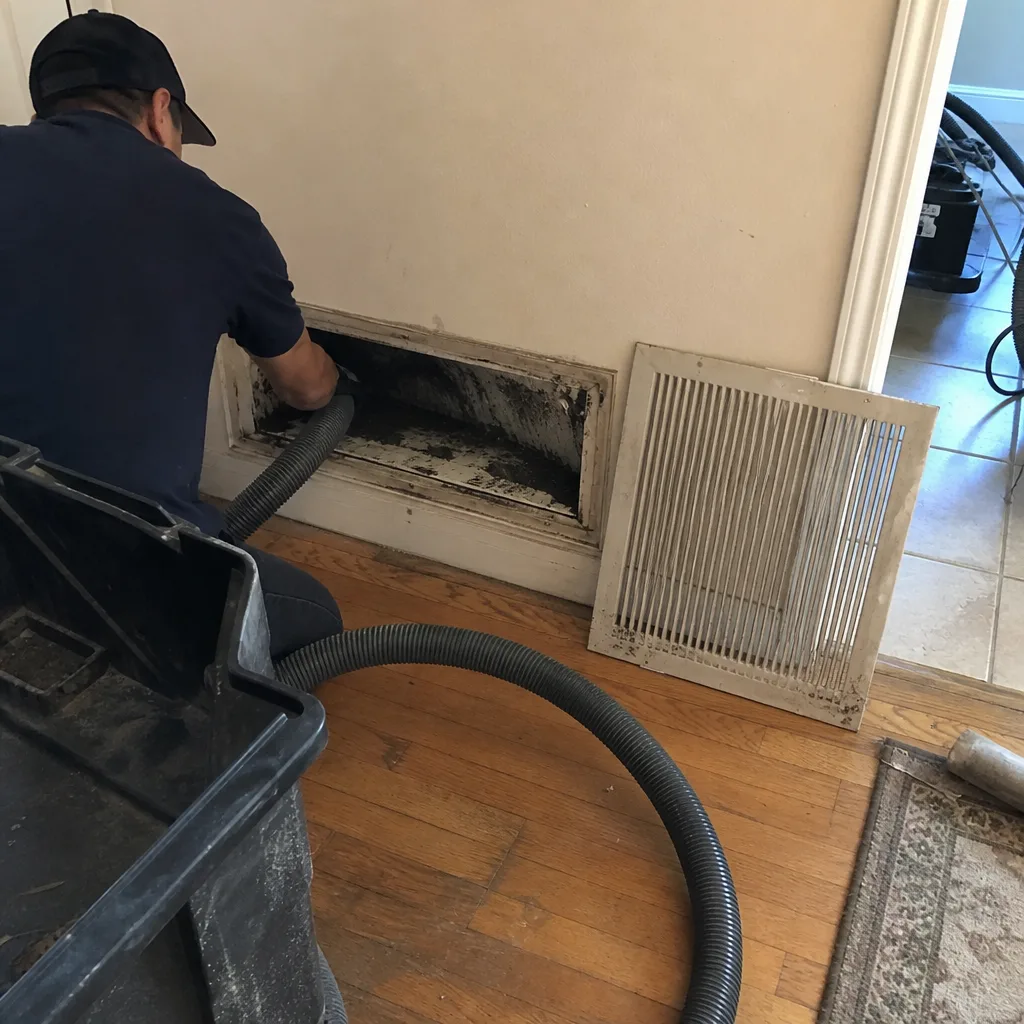 Before
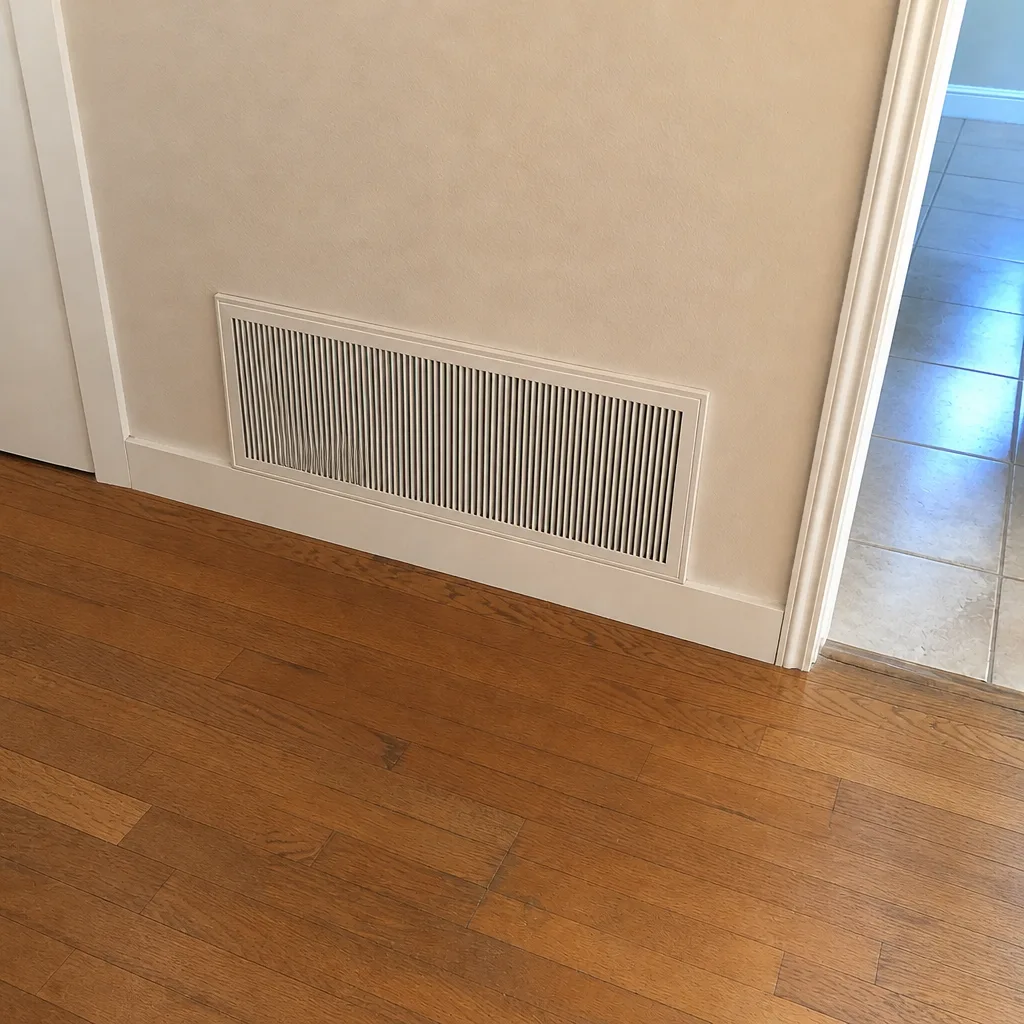 After
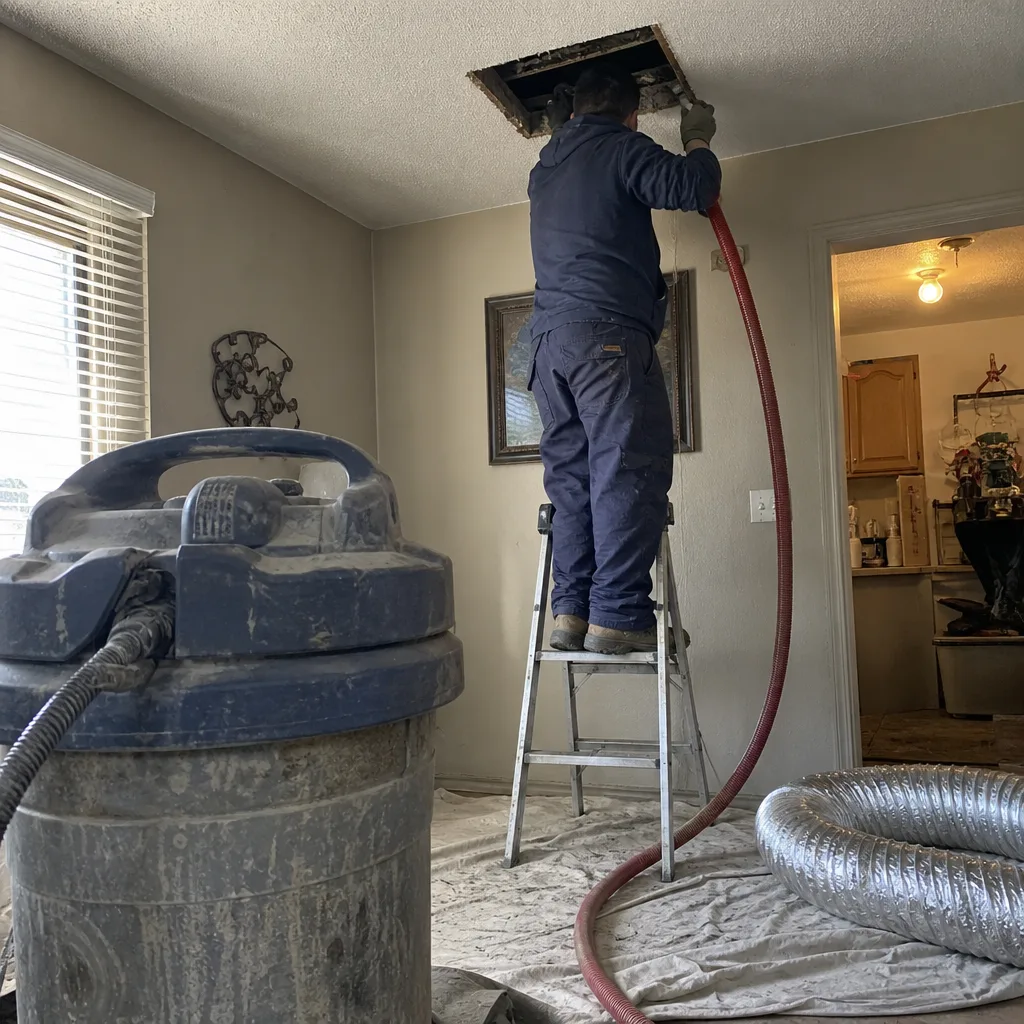 Before
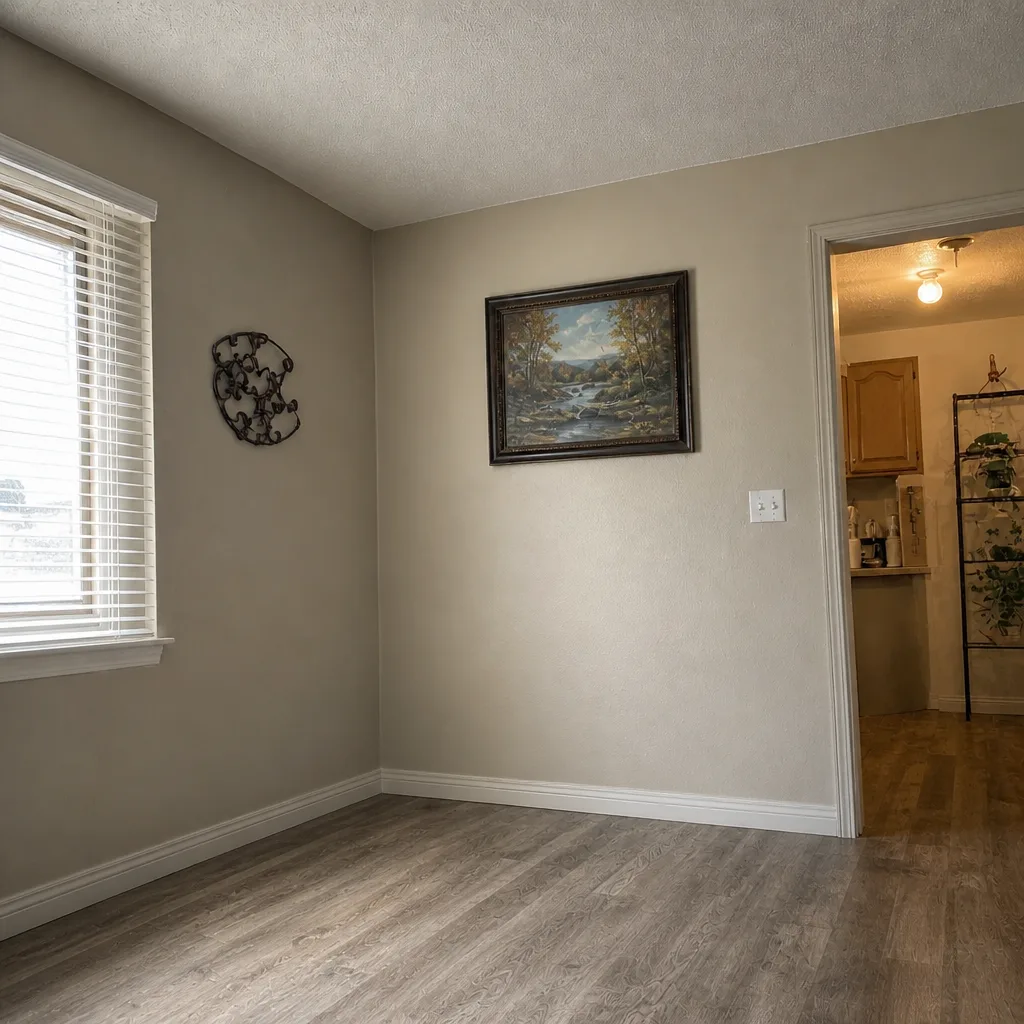 After
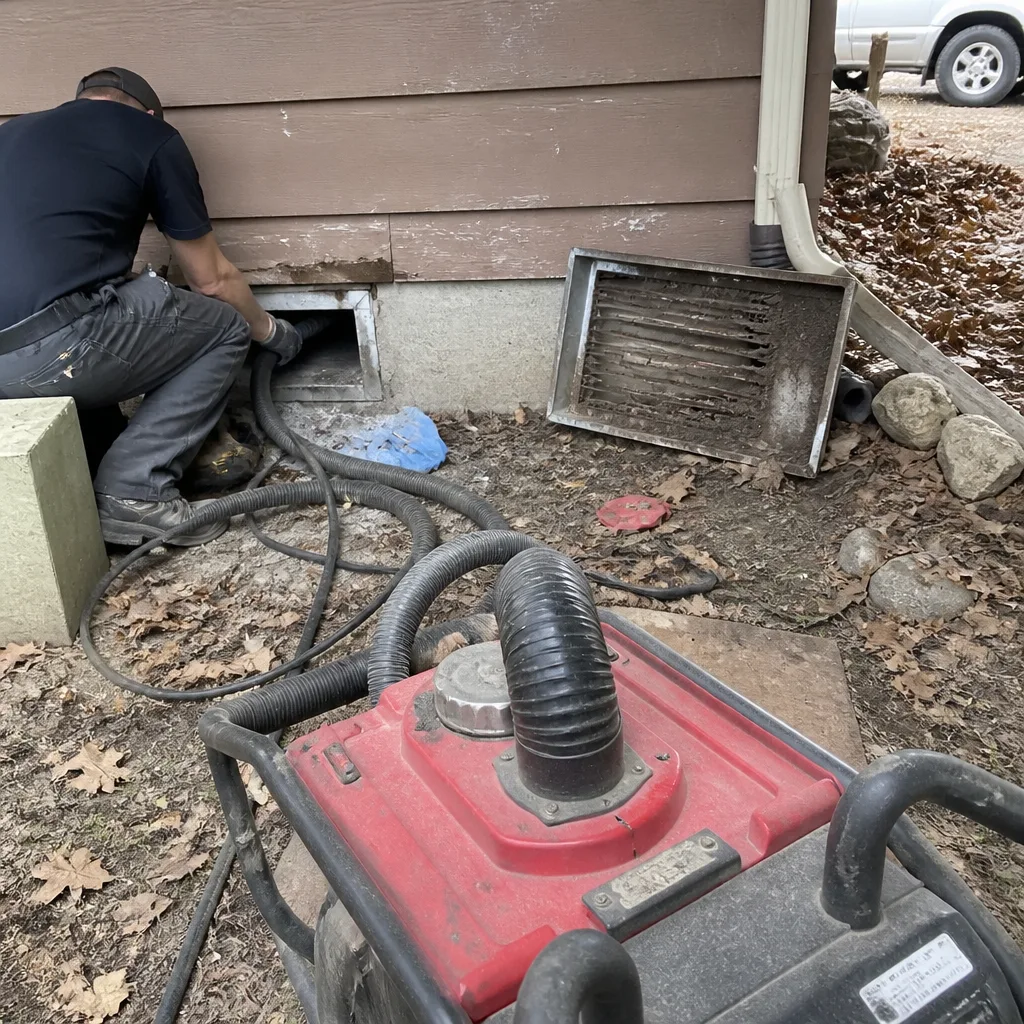 Before
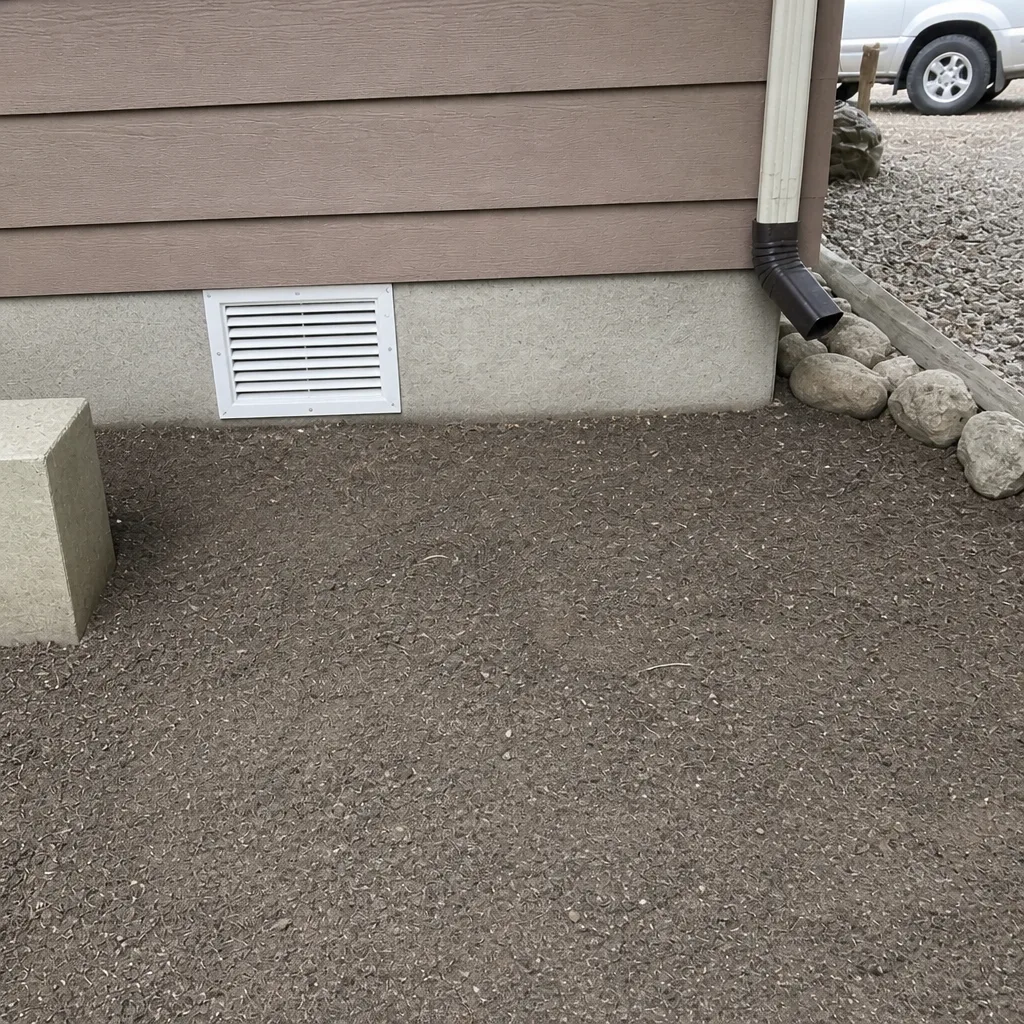 After
When to Call a Professional
Call a professional when the ducts are visibly contaminated, when there’s odor or moisture, when the home has recently been renovated or had water damage, when allergies worsen during HVAC operation, or when the dryer vent run is long or lint is accumulating beyond the first few inches. Those are the thresholds where the DIY math stops working. Kaysville Air Duct Cleaning offers free estimates in Kaysville. We answer 24/7. Call (877) 792-5756, and we’ll set up a written estimate that covers the whole system with no per-vent pricing. If the honest answer is that you don’t need our service, we’ll tell you that, and we’ll point you at the filter changes and register cleaning that will actually help.
Frequently Asked Questions
You can clean register faces, grilles, and reachable debris near the register opening, but you cannot clean the interior of the duct runs with a shop vac. The runs are 6-20 feet back, the dust is settled against the duct wall, and a shop vac creates positive pressure at the register, which pushes disturbed debris into the house. For the interior of the ducts, professional negative-pressure equipment is what actually works. Call (877) 792-5756 for a free estimate on professional cleaning.
It can, especially with a drill brush attachment. A drill brush agitates debris off the duct wall but has no capture mechanism, so whatever it loosens becomes airborne and can end up in the room or the HVAC system. A shop vac catches some of it, but standard filters leak fine particulate. The net effect in many homes is temporarily worse air, not better.
For a typical single-system home, expect roughly $350-$700, with larger homes and more complex systems on the higher end. That price is set per job by a written estimate before work starts, covers the whole system, and includes cleaning, air handler work, and documentation. There’s no per-vent pricing. Call (877) 792-5756 and we’ll get you a specific number for your home.
For most Kaysville homes, professional cleaning every 3-5 years is reasonable, longer if filters are changed on schedule and the home has no pets or renovation activity. Homes with pets, recent construction, allergy-sensitive occupants, or water damage history should look at shorter intervals. Between professional cleanings, the DIY tasks above (filter changes, register cleaning, inspections) do most of the daily work. For an estimate, call (877) 792-5756.
Before-and-after photos of the ducts, taken by the technician during the visit. Ask for them at the end of the job, and make sure they show the same sections before and after cleaning. A company that can’t provide before-and-after documentation is worth questioning. We provide it as a standard part of every cleaning. Call (877) 792-5756 for a free estimate.
Usually because they exclude part of the process: the air handler might not be cleaned, registers might not be sealed under vacuum, or repair and sealing might be extra. Some quotes are per-vent teaser prices that grow once work starts. When you compare quotes, ask what the price covers, whether repair and sealing are included, and whether you’ll receive before-and-after documentation. A written per-job estimate is the only real number. Call (877) 792-5756 and we’ll walk you through ours.
The Bottom Line
DIY air duct cleaning isn’t ineffective because homeowners aren’t capable. It’s ineffective because the tools that actually remove debris from inside duct runs cost more than the professional cleaning does, and no consumer tool captures fine particulate under negative pressure the way a HEPA vacuum does. What’s worth doing yourself: filter changes, register cleaning, visual inspections, dryer vent disconnect prep. What’s not: full duct cleaning, remediation after renovation or water damage, and anything involving suspected growth or moisture. Those cross the threshold where professional work with proper equipment (Rotobrush, Nikro, Abatement Technologies) earns its cost. Our technicians have up to 12 years of experience doing this work, and we know the difference between a home that needs cleaning and one that needs a filter change. If you want an honest evaluation of your own home, we offer free estimates.
Call (877) 792-5756. We answer 24/7. Fast dispatch from 7am to 7pm, Sunday through Friday. We’re closed Saturday. If you’re weighing your options for dryer vent cleaning or duct service in Kaysville, we’ll give you a written estimate for the whole system, before-and-after photos, and a repair-and-seal approach that closes the loop rather than cleaning around a problem. If you’ve been putting off duct maintenance, we’ll help you decide whether you actually need the work. Call today.
Written by the team at Kaysville Air Duct Cleaning.