
Last updated November 24, 2026
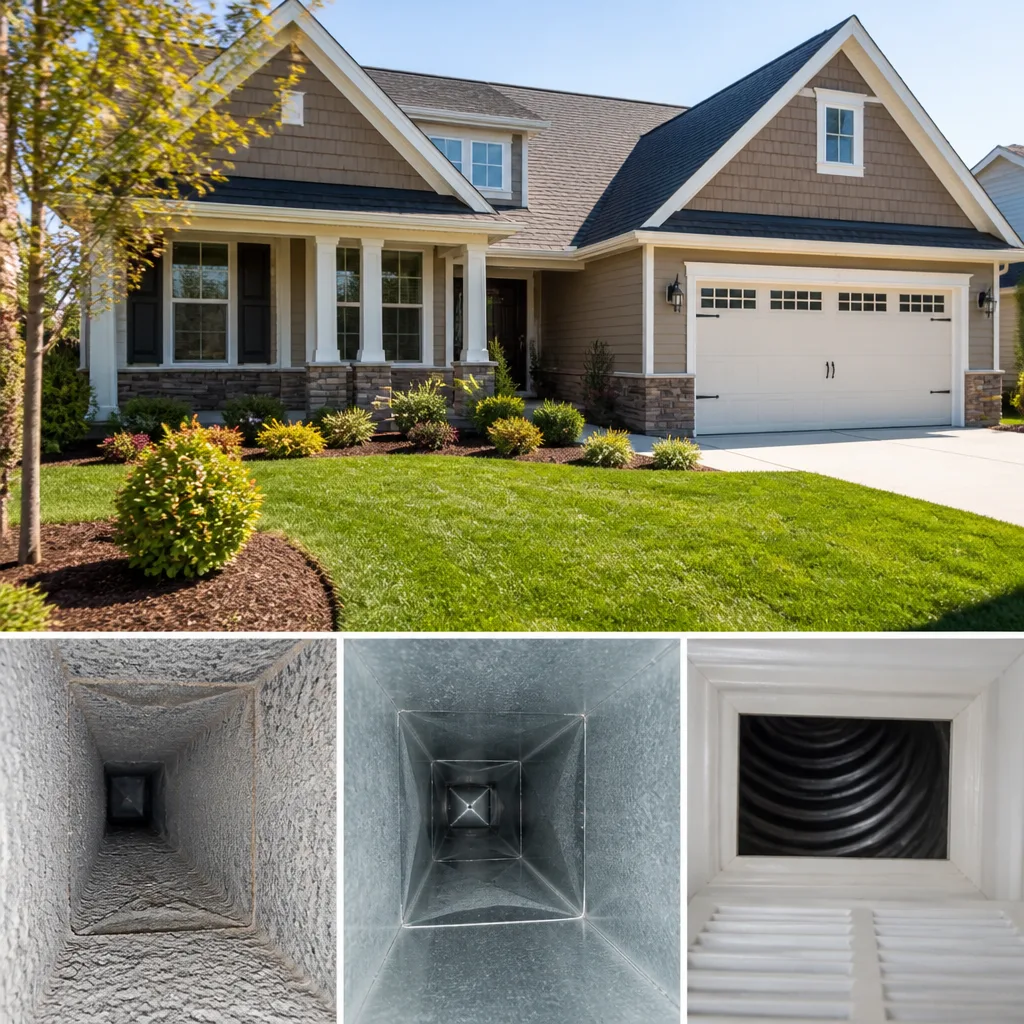 Whole-home duct cleaning
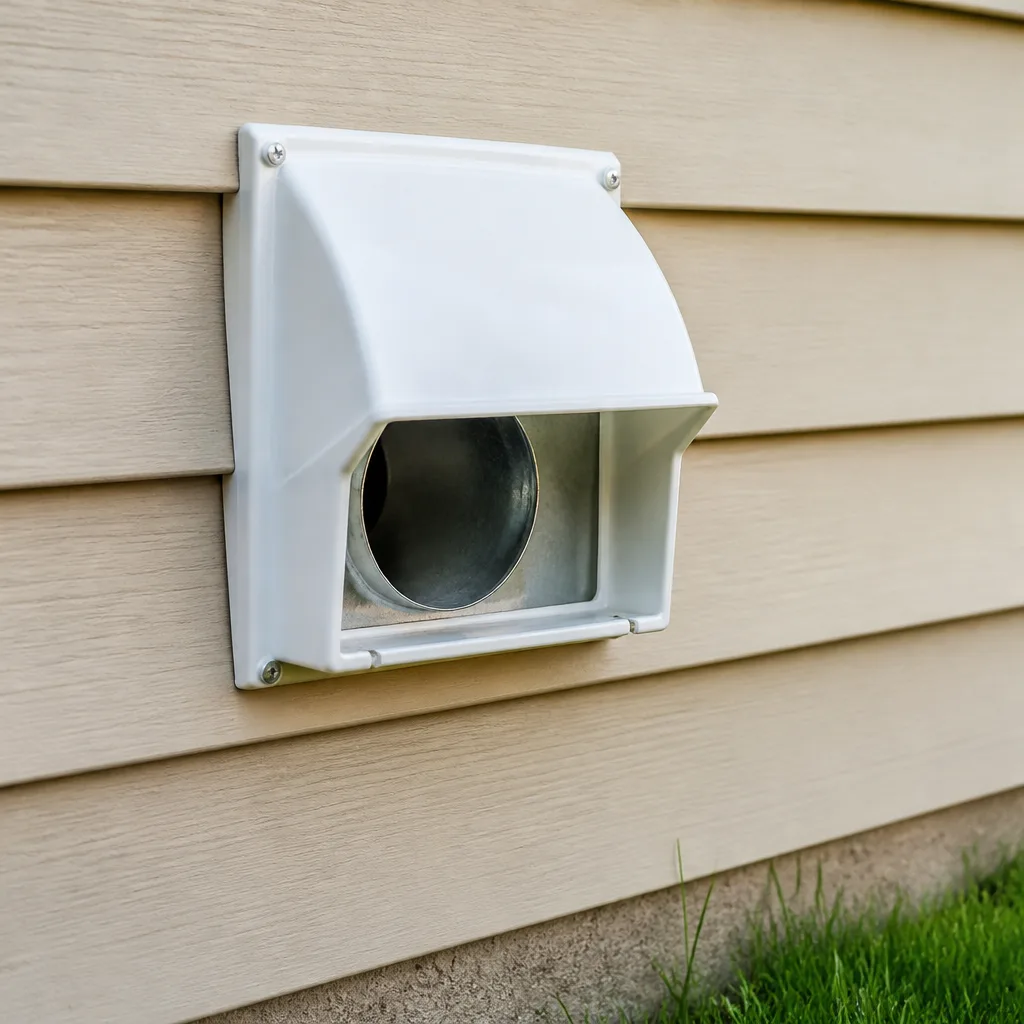 Dryer vent cleaning
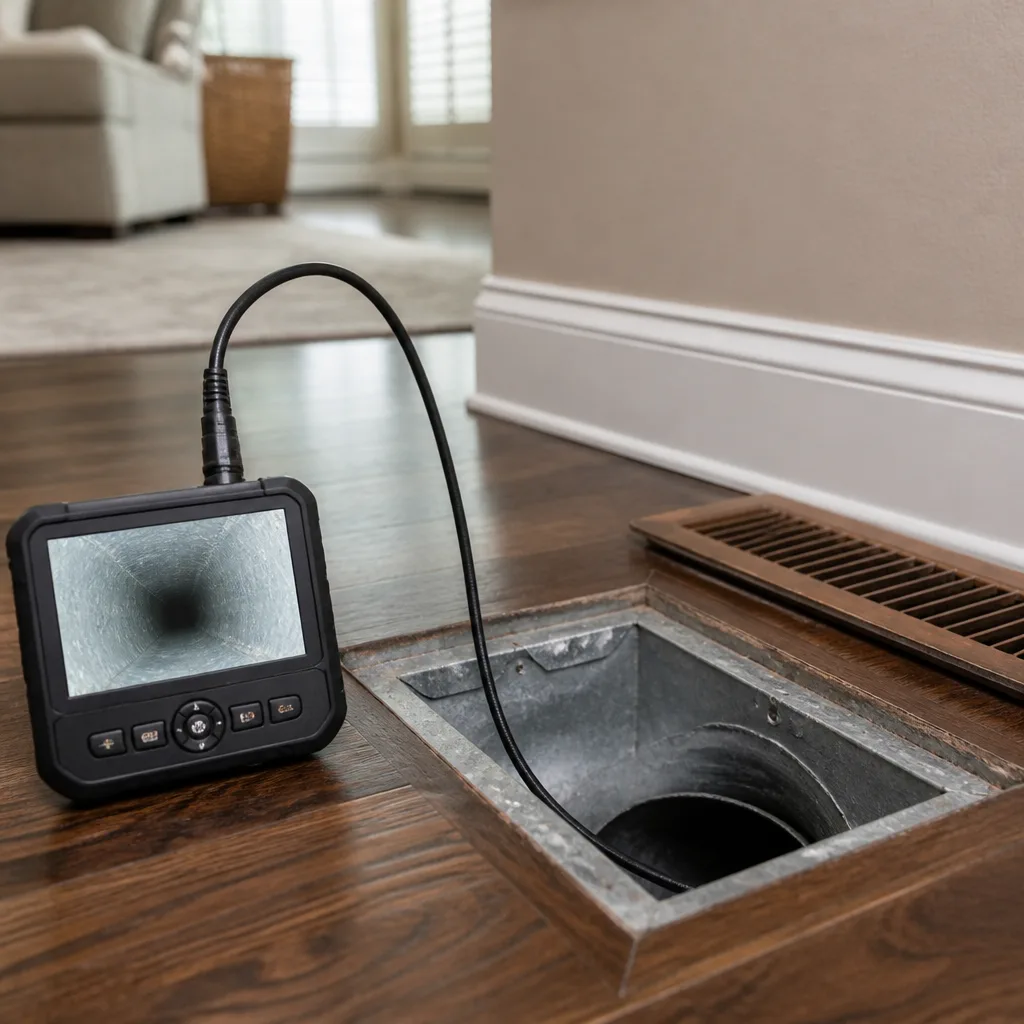 Camera inspection
 Sanitizing & deodorizing
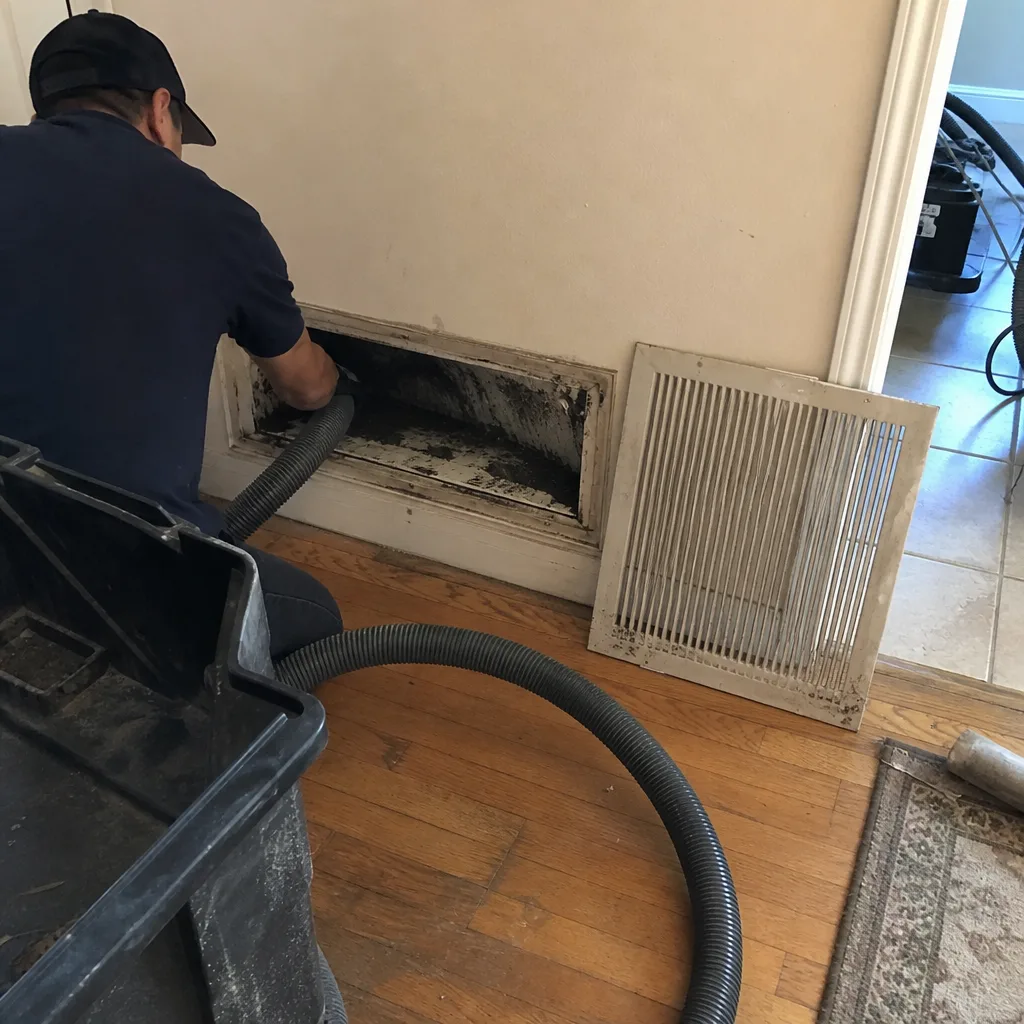
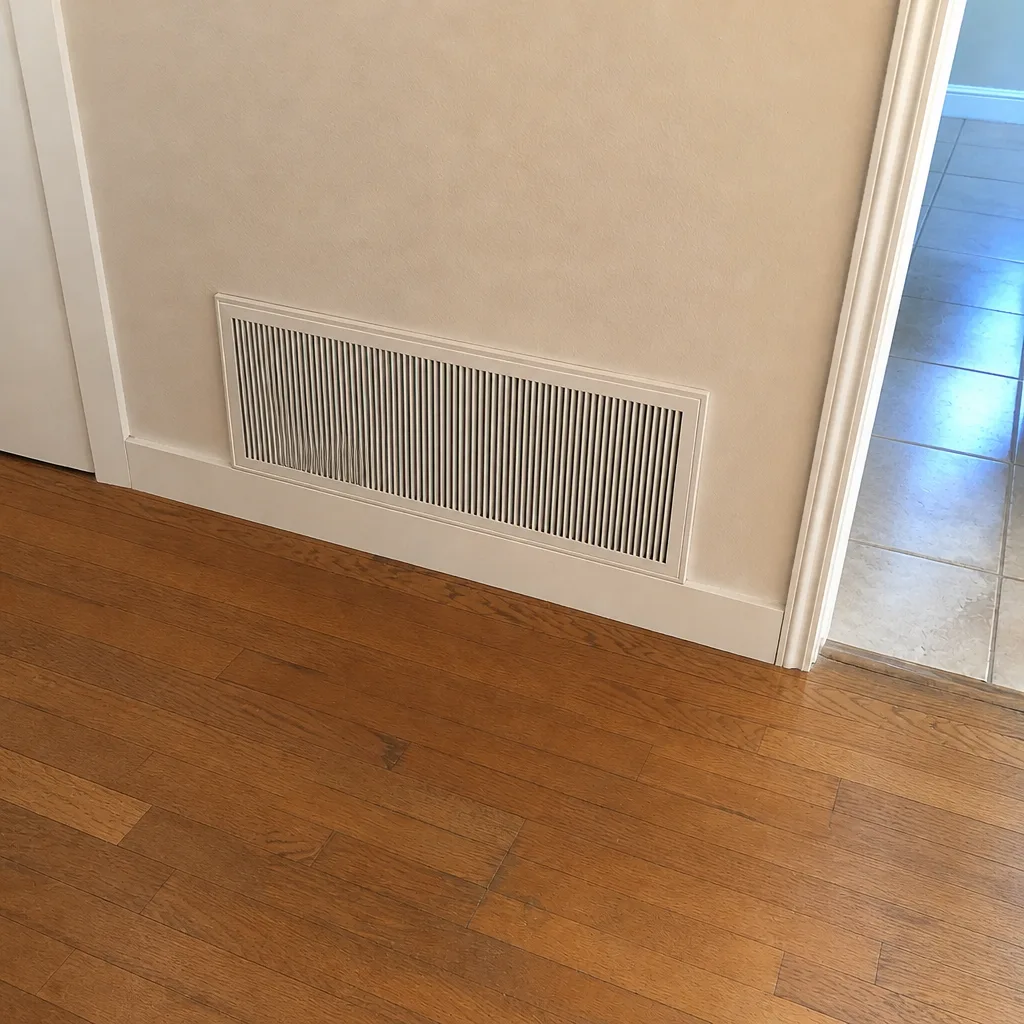
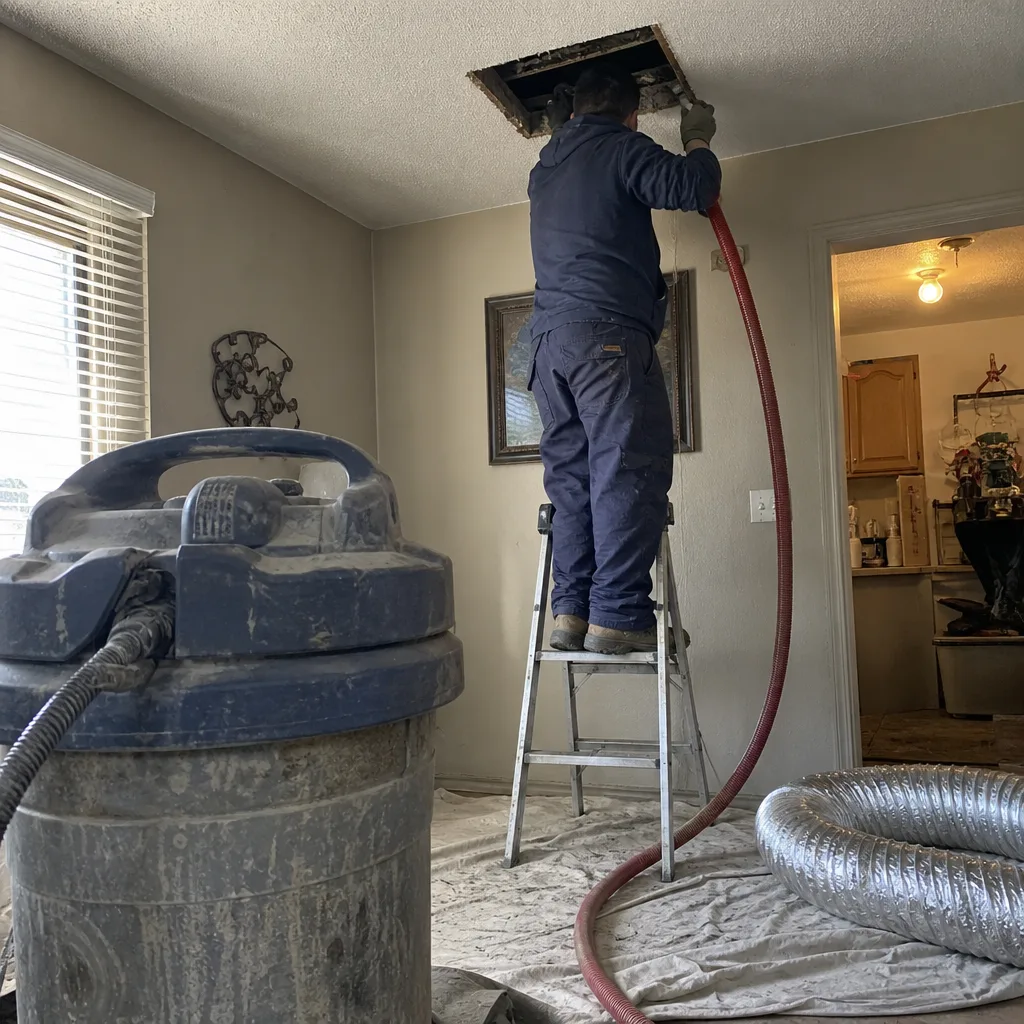
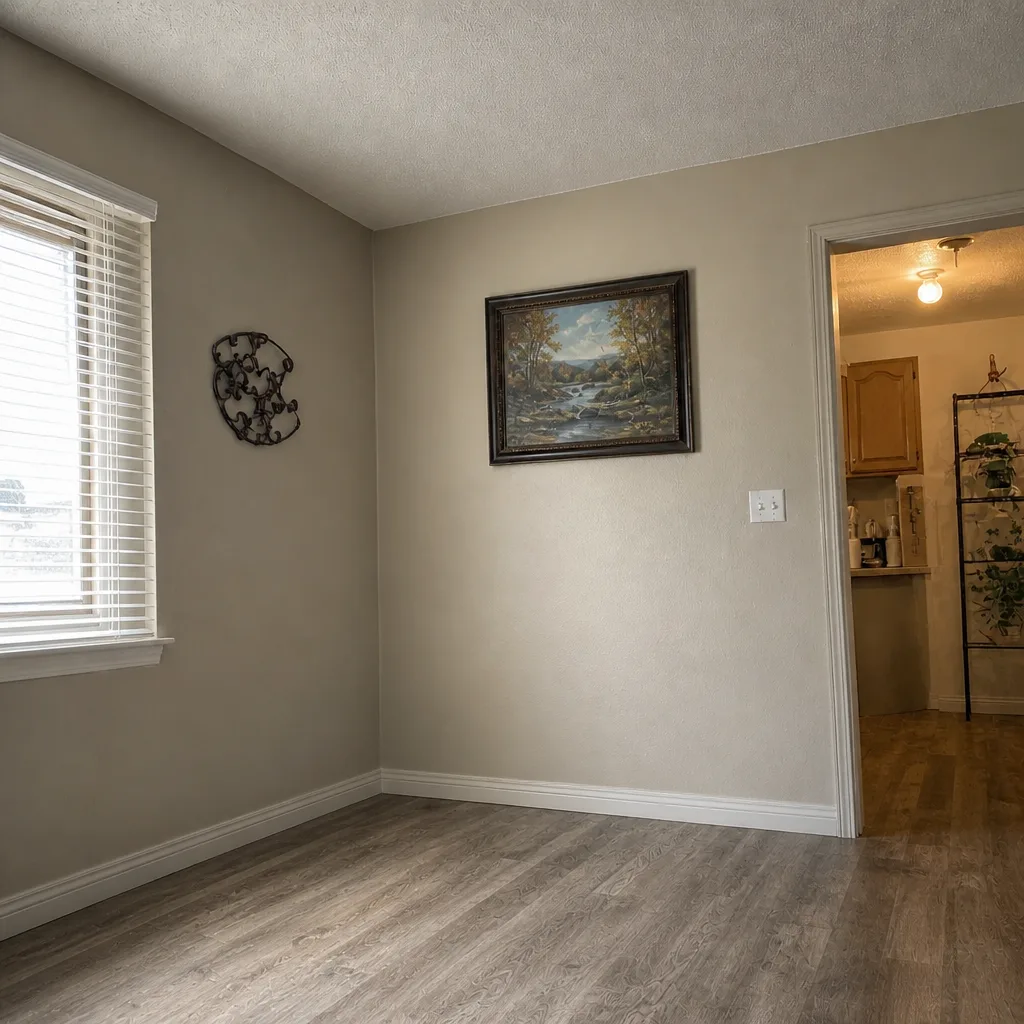
Whole-system duct and dryer vent check with before-and-after photos - you see exactly what came out of your vents
That "$99 whole-house special" is a bait ad - the real number appears once they are in your hallway, or the "clean" is a shop-vac at the register. We photograph the inside of your ducts before and after instead.
Air Duct Cleaning Permits, Codes & Inspections in Kaysville, UT: What You Need to Know
Here’s the part that surprises most homeowners: cleaning a duct system is maintenance, and maintenance in Utah generally doesn’t require a permit. Repairing that same system, sealing a junction, or moving a supply line can cross into “alteration” territory, and alteration is where paperwork begins. We’ve watched plenty of Kaysville homeowners learn this at the worst possible moment – the resale inspection – after a contractor patched torn flex duct or rerouted a run without a permit. This guide explains the line between maintenance and permitted work in Davis County, what an inspector actually looks for, and how to document the job either way so it never becomes a problem down the road.
Quick Answer
Routine air duct cleaning does not require a permit in Kaysville or anywhere in Davis County. Duct repair, sealing that changes the system’s configuration, duct replacement, and new HVAC components (UV systems, whole-home air purifiers, ERVs) can require a mechanical permit depending on scope. When in doubt, call Kaysville City’s building department and describe the exact work. Keep documentation of every job regardless – it protects you at insurance time and at resale.
Styles & brands we work with
- Whole-home duct cleaning
- Dryer vent cleaning
- Camera inspection
- Sanitizing & deodorizing
Table of Contents
- Maintenance vs. alteration: where Utah draws the line
- Davis County permit requirements for duct work
- When a Kaysville resale inspection flags unpermitted duct work
- How IAQ add-ons (UV, purifiers, ERVs) trigger permits
- What to document even when no permit is required
- Kaysville’s climate and housing stock: why ducts take a beating
- Questions to ask any contractor before work starts
- What an inspection actually looks for
Maintenance vs. Alteration: Where Utah Draws the Line
Utah adopts the International Mechanical Code as the basis for its statewide mechanical rules, which local jurisdictions like Kaysville then enforce. The code doesn’t have a dedicated “duct cleaning” chapter – it regulates duct systems – and the crucial distinction sits between maintenance (keeping an existing system working as designed) and alteration (changing the system’s design). Cleaning falls firmly on the maintenance side. Repair and modification live on the other side of the line, depending on how much the system’s design changes.
What counts as maintenance in Kaysville:
- Removing dust, debris, and biological buildup from ducts with rotary-brush and HEPA-filtered equipment
- Replacing a filter or cleaning the blower, evaporator coil, and drain pan
- Cleaning the dryer vent (a separate appliance pathway, not part of the HVAC mechanical system)
- Replacing a grille or register cover with a same-size unit
- Sealing small leaks with mastic or approved tape where the routing doesn’t change
What can cross into “alteration” territory:
- Replacing a section of rigid duct or re-routing a supply or return run
- Adding a new supply or return branch to the system
- Replacing flex duct runs with new flex or rigid duct
- Installing new inline components – dampers, ERVs, UV lamps that splice into the airstream, or whole-home purifiers wired to the HVAC system
- Resizing ductwork to correct static pressure problems
We’re not code officials, and local interpretation can shift with the scope of a job. The safe move is always the same: describe the work in plain language to the Kaysville City building department before signing an estimate. If the job involves only cleaning, you’re on solid ground. If a repair is extensive enough to change how air moves through the house, ask the question.
One practical note we share with customers: minor duct repair and sealing performed as part of our air duct cleaning visits usually amounts to maintenance-level work. If the repair is structural or a run needs replacing, we tell the homeowner up front that a permit may be required and give them the language to ask about it.
Davis County Permit Requirements for Duct Repair, Sealing, and HVAC Modifications
Permit authority in Davis County is split. Kaysville has its own building department handling permits for work inside city limits. Unincorporated Davis County areas fall under the county building authority. Either way, the mechanical permit thresholds are similar and follow the same logic: if the work touches the system’s capacity, routing, or equipment, a permit is likely; if it only maintains what’s already there, it usually isn’t.
The rough thresholds homeowners should know:
- Cleaning of any kind: no permit. This includes HVAC cleaning of the air handler, coil, and blower.
- Air sealing at existing joints and seams: typically no permit when the system layout stays the same.
- Replacing a length of duct: often requires a permit because it’s a repair beyond maintenance, and the material and sizing must match what the code allows.
- Adding, removing, or rerouting a supply or return: permit required – this changes the system design and air balance.
- Replacing an HVAC unit: permit required, always. The mechanical contractor pulls it; you should see the number on the estimate or invoice.
- Installing a whole-home air purifier, ERV, or UV system wired into the HVAC: frequently requires a permit because it becomes part of the mechanical and electrical system.
- Dryer vent cleaning or replacement: cleaning is maintenance; a full dryer vent re-route may touch building code on vent termination and length, which is worth asking about.
Two details from our experience: first, permit fees in Davis County are based on the valuation of the work, so the fee on a small duct repair is usually modest – skip it and the fix at resale costs far more. Second, if the contractor doing the work is properly licensed and insured, pulling the permit is routine and the homeowner generally signs nothing more than a form. If a contractor offers to skip the permit to “save you time,” that’s the moment to slow down.
Do I need a permit to clean my ducts in Kaysville?
No. Routine duct cleaning in Kaysville does not require a permit from the city or county. Cleaning is classified as maintenance, and no alteration to the system is taking place. If the visit also includes minor repairs, ask the technician whether those repairs count as alteration before work starts.
When a Kaysville Resale Inspection Flags Unpermitted Duct Work
Utah requires sellers of residential property to provide a seller’s disclosure, and buyers routinely pair that with a home inspection. A good inspector walks the attic, crawls the mechanical closet, and checks visible duct connections. When they see recent-looking duct repairs with no visible permit placard or documentation, they flag it – not because the work is necessarily wrong, but because they can’t verify it. That’s the moment a $400 duct repair turns into a negotiation.
What can happen when unpermitted duct work surfaces at resale:
- The buyer requests documentation. If you have none, the buyer’s agent may ask for a retroactive permit, an inspection by a licensed mechanical contractor, or a price concession.
- A retroactive permit is applied for. The city can require the work to be opened up for inspection. That means cutting into drywall or ceiling to expose concealed duct runs.
- Corrections are made. If the original work doesn’t meet code, it gets redone at your expense – which may include re-pulling duct, re-sealing, or re-sizing.
- The closing is delayed. Schedule pressure from a pending sale makes every inspection and correction expensive in ways that don’t show up on an invoice.
From our side of the work, the fix is far cheaper before the sale than after. We tell Kaysville homeowners the same thing whether they’re selling in six months or twelve years: keep the paper trail on every duct repair, seal job, and equipment install. If the work required a permit, the inspection record and the closed permit are the documents. If it didn’t, the invoice and a photo record serve the same purpose.
One more thing worth saying plainly: an inspector is not evaluating the quality of the cleaning work. They’re checking whether the work that was done is visible, documented, and safe. The distinction matters because a beautifully cleaned system with a hidden, unpermitted re-route will still get flagged. And a modestly cleaned system with a permit and inspection report will sail through without a question.
How IAQ Add-Ons (UV Systems, Whole-Home Purifiers, ERVs) Trigger Permit Requirements Cleaning Alone Doesn’t
Adding equipment to the air path changes the game. A duct cleaning visit is maintenance of what’s already installed. A UV lamp, a whole-home air purifier, or a heat recovery ventilator (ERV) becomes part of the mechanical system – wired, powered, and integrated into the air handler – and that integration is what raises the permit question. It’s the single most overlooked trigger in the current home air quality market.
Here’s how each add-on usually lands:
- UV lamps inside the air handler or duct: small units powered from an existing circuit may not require a permit, but units wired to new circuitry or drilled into the air handler cabinet often do. Ask the installing contractor specifically.
- Whole-home air purifiers (we install Aprilaire and Honeywell units that fall in this category): these become part of the mechanical system, and most jurisdictions require a mechanical permit for the install because the device alters the airflow path and electrical load.
- ERVs and HRVs: these introduce new ducting and a new powered appliance. Permit is standard. The install also changes the home’s ventilation design and should be inspected.
- Bypass or powered humidifiers tied into the supply plenum: usually require a permit if plumbed or wired as new equipment.
The takeaway isn’t that these add-ons are burdensome – it’s the opposite. A properly permitted installation of a whole-home purifier or ERV protects the homeowner at resale and ensures the equipment was installed to spec. We install Aprilaire and Honeywell products because they’re the platforms most local inspectors recognize, and their documentation is straightforward when the permit is pulled. For air quality work beyond dust and debris – biological contamination, post-renovation cleanup – we bring in Abatement Technologies HEPA equipment, which is remediation-grade gear, and the paperwork matches the standard of containment that gear is built for.
Does installing a whole-home air purifier in Kaysville require a permit?
Usually, yes. A whole-home purifier integrated into the HVAC system typically requires a mechanical permit in Kaysville because it becomes part of the mechanical system. Stand-alone plug-in air purifiers do not. Ask the installer to confirm and, if a permit is required, pull it.
What to Document Even When No Permit Is Required
This is where the vast majority of homeowners leave value on the table. Cleaning, dryer vent service, minor sealing, and small repairs don’t generate a permit, so the only protection you have is the record you keep. That record matters at three moments: an insurance claim, a resale inspection, and a warranty discussion with your HVAC manufacturer.
What to keep after every duct and HVAC visit:
- The written invoice or estimate – with the scope of work, the date, and the contractor’s name clearly on it. The invoice is not the same as a receipt; insist on the scope written out.
- Before-and-after photos of the duct interior. Any contractor who runs proper equipment will be able to show you what came out and what the duct looks like afterward. Photos are evidence the work happened.
- The equipment used. If the job involved a rotary-brush system like a Rotobrush or a HEPA vacuum like a Nikro unit, the invoice should list it. Commercial-grade equipment is what separates a real clean from a cosmetic one, and a written record of it protects you if a future buyer’s inspector asks.
- Any IAQ product installed, with model numbers. Aprilaire, Honeywell, and Guardsman products all have serial numbers and warranty registrations. Keep them together.
- The permit number, if applicable. For repair, re-route, or equipment installation work, the permit number and the final inspection sign-off.
We also recommend that Kaysville homeowners keep a simple one-page maintenance log in the mechanical closet: date, service performed, contractor, and a single line about what was found. It’s low-tech and it’s the most useful document we’ve seen when an inspector or a buyer’s agent starts asking questions.
Kaysville’s Climate and Housing Stock: Why Ducts Take a Beating
Kaysville sits on the eastern bench of Davis County, below the Wasatch foothills, where winters are cold and long enough that the furnace runs for months, and summers push the AC hard through July and August. That annual swing matters for duct systems. Every heating and cooling season the ductwork flexes slightly, the joints at the plenum and boots take stress, and the flex connectors in attics and crawlspaces get worked over by thermal movement. Over enough seasons, the tape loosens, seams open, and fiberglass duct board begins to break down at the corners.
Kaysville’s housing mix adds to it. Older homes closer to the historic center often have original sheet-metal trunk lines with short flex runs feeding individual rooms – solid duct, but taps and boots that weren’t sealed to today’s standard. Newer construction on the east bench and the surrounding subdivisions often uses long flex runs in unconditioned attic space, where summer attic temperatures are brutal on the outer jacket. Either way, the diagnosis point is the same: where the ducts live matters as much as how they were built.
The seasonal rhythm we see in Kaysville:
- Late fall: right before the furnace takes over, leaks and disconnected runs become obvious because warm air is pushing into the attic and cool rooms stay cool.
- Late spring: the AC side gets the same treatment, and dust that settled over winter gets pulled through the return.
- Late summer: attic-duct connection failures show up as energy bills climbing without a change in habits.
None of this is a permit question on its own – it’s an inspection and diagnosis question. But it directly explains why so many Kaysville homes end up needing duct repair, and duct repair is exactly where the permit line gets crossed. A repair done properly, with a written scope, is the thing that keeps a future sale clean. A repair done quietly – torn flex patched by whoever was already at the house – is the thing that gets flagged.
Questions to Ask Any Contractor Before Work Starts in Kaysville
The single best defense against an unpermitted problem at resale is a short, direct conversation before anyone touches the system. Here’s the list we’d want our own family to ask, no matter who is doing the work:
- “Is this work maintenance or alteration?” If the answer is “alteration,” ask whether a permit is required and who pulls it.
- “Will you put the scope of work in writing before we start?” A contractor who won’t write it down is a warning sign; the written scope is also the document you’ll rely on at resale.
- “Are you and the crew doing the work licensed and insured for mechanical work in Utah?” The local pro you hire should be able to say yes without hesitation.
- “What equipment will you use?” Rotary-brush systems and HEPA-filtered vacuums are the professional standard. Shop vacs and improvised tools aren’t.
- “Will I see before-and-after photos of my own ducts?” Yes should be the default. Photos are how you verify the work was actually done.
- “If you find duct damage, will you fix it or clean around it?” Cleaning around a leak is a temporary fix. Sealing it is the permanent one.
- “Will you document the job for insurance and resale?” A professional answers yes without needing to think about it.
We answer all seven of these the same way on every job – written scope, licensed and insured, Rotobrush and Nikro equipment, photos, and repair-and-seal in the same visit when it’s needed. What we can’t do is guess what the Kaysville building department will require on a specific repair, so we tell homeowners to call and describe the work in their own words. That call is free, and it takes five minutes.
What an Inspection Actually Looks For
A Davis County mechanical inspection isn’t a search for problems – it’s a verification that the work shown on the permit matches the code. Inspectors check a specific, finite list, and knowing that list is what keeps a repair from becoming a headache later. If the work required a permit, the inspector verifies the following:
- Materials: duct material, joints, and sealant meet code for the application. Flex duct in unconditioned space has specific requirements that a taped shop-vac repair does not meet.
- Support and routing: ducts are supported, not sagging, and are routed without restrictive bends that could collapse or pinch the run.
- Connections: boots, plenums, and takeoffs are mechanically fastened and properly sealed – usually with mastic or listed tape, not standard duct tape.
- Clearances: the required clearance from combustibles and from heat-producing equipment is maintained.
- Equipment integration: newly installed purifiers, ERVs, or other components are wired and installed per manufacturer instructions and per code.
- Vent termination (for dryer vent work): the outlet terminates correctly, with proper clearances and no concealed run that would trap lint.
An inspection is not a duct cleaning audit. It doesn’t check how much dust came out or whether the technician ran a brush. It checks whether the system, as physically installed, is safe and code-compliant. That’s the reason the documentation question matters so much: a clean, honest, professional job that produced visible before-and-after photos and a written scope is worth far more at resale than a permit number on a job that was never inspected.
Common Mistakes to Avoid
- Skipping the permit on a duct repair because “it’s just a small fix.” A repair can still count as an alteration, and the inspection record at resale is what matters, not the size. A $200 repair becomes a $2,000 negotiation if the buyer’s inspector flags it and asks you to prove it was done legally.
- Trusting a verbal “we pull permits, don’t worry.” Ask to see the permit number, and confirm it matches the address on the invoice. If a contractor can’t produce the number, the permit likely wasn’t pulled.
- Letting a contractor install an IAQ add-on without asking about permits. A whole-home purifier or ERV is a mechanical system addition. The cleanest installation in the world, unpermitted, is a complication at resale.
- Confusing duct cleaning with duct repair. Cleaning is maintenance and doesn’t trigger a permit. If the cleaning visit turns into a repair, the conversation should change – the documentation should too.
- Failing to photograph the before-and-after condition of the ducts. Without photos, you have no way to prove the work was done or that the ducts were in good shape when you sold the home.
- Assuming a home inspector will ignore the ducts. Kaysville inspectors routinely walk the attic and check visible ductwork. Recent, undocumented repairs are exactly what they look for.
- Relying on memory instead of a maintenance log. Three years after the work, no one remembers the date, the scope, or the contractor’s name. A one-page log in the mechanical closet solves this for the cost of a notecard.
See the difference
 Before
 After
 Before
 After
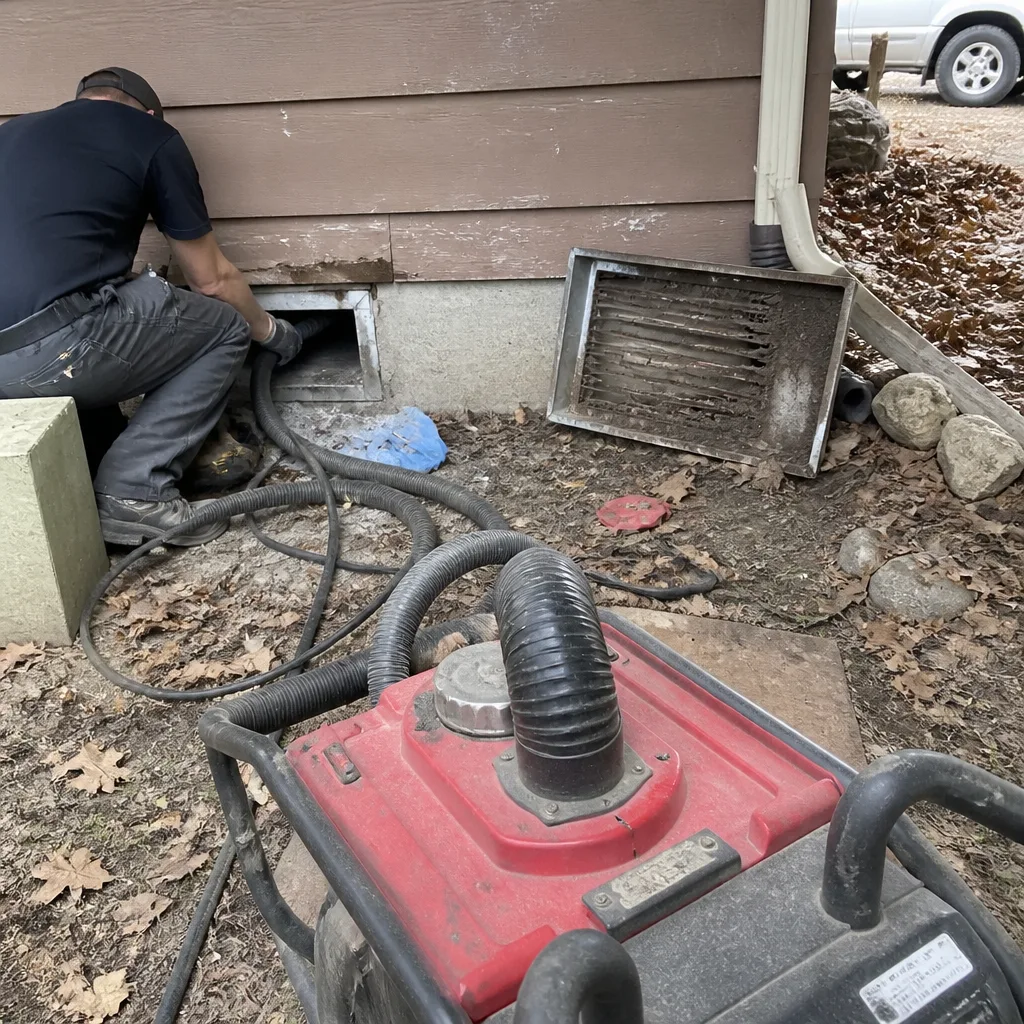 Before
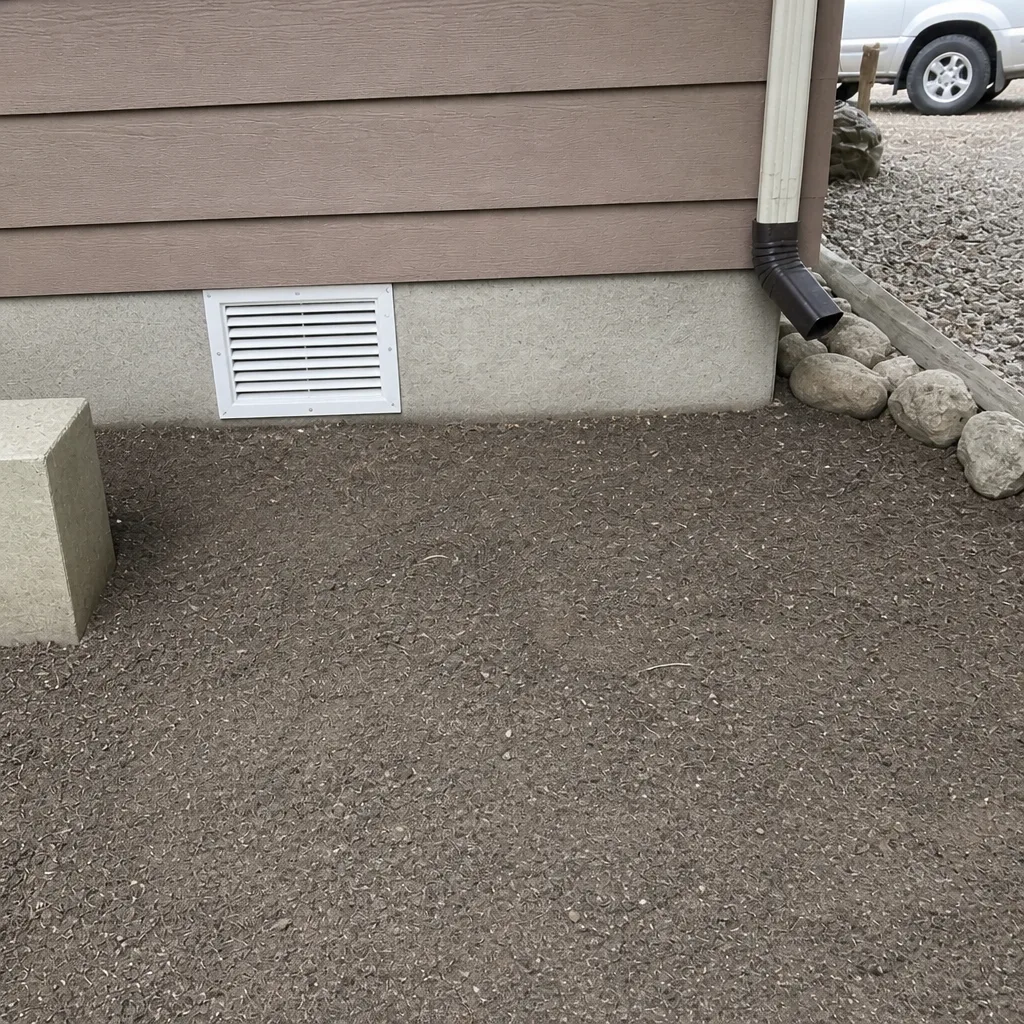 After
When to Call a Professional
Call a professional the moment the work stops being cleaning and starts being repair, modification, or equipment installation, and call one to sort out which is which. Scenarios that warrant a call: visible tears or disconnected runs in attic or crawlspace ductwork, a room that never heats or cools the way the others do, an airflow change that showed up after a renovation, a home sale on the horizon, or the arrival of a new IAQ product you want installed correctly. Our technicians have up to 12 years of experience, and we handle Kaysville Air Duct Cleaning as a full-scope service – including duct repair and sealing in the same visit when the ducts need it, so cleaning and repair aren’t two separate contractors. Our dryer vent service is separate and worth mentioning here: a compromised dryer vent is a fire-risk question, not a permit question, and it’s part of the same air system. Kaysville Air Duct Cleaning offers free estimates in Kaysville, and we’ll tell you plainly if a job crosses the permit line so you can call the city before anyone touches the ductwork. Call (877) 792-5756.
Frequently Asked Questions
No. Air duct cleaning is classified as maintenance in Utah and does not require a permit in Kaysville or Davis County. If the visit includes duct repair, sealing that changes the system’s layout, or installation of new equipment, ask the contractor whether that portion requires a mechanical permit. Call (877) 792-5756 for an exact quote – estimates are free.
Typical estimates for whole-home air duct cleaning in Kaysville run in a range based on the number of registers, the ducting material, and whether repair or sealing is added. We price per system, not per vent, and the written estimate sets the final number. Claiming a per-vent figure or a coupon price would be exactly the bait-and-switch pattern this industry has earned a reputation for – we don’t do it. Call (877) 792-5756 for an exact quote – estimates are free.
It depends on scope. A small repair or reseal at an existing joint usually counts as maintenance and doesn’t require a permit. A repair that replaces a duct section, reroutes a supply or return, or adds new ductwork can require a mechanical permit from the Kaysville or Davis County building authority. Describe the specific work to the building department before work starts. Call (877) 792-5756 for an exact quote – estimates are free.
Ask for before-and-after photos of your own ducts and a written invoice that names the equipment used. Any professional running a Rotobrush rotary-brush system and a Nikro HEPA-filtered vacuum will gladly provide both. If a contractor won’t photograph the ducts or put the scope in writing, that’s the real answer to your question. Call (877) 792-5756 for an exact quote – estimates are free.
Cheap quotes usually mean cheap equipment, a skipped scope, or a bait-and-switch where the low price becomes a larger invoice once the technician is on site. Per-vent pricing is the classic version: the number looks low until the vent count is confirmed. We quote per system with a written scope before work starts, so the price you accept is the price you pay. Call (877) 792-5756 for an exact quote – estimates are free.
Most Kaysville homes do fine with duct cleaning every three to five years, adjusted for pets, renovations, and any recent construction in the house. Homes with allergy concerns, recent remodeling, or visible debris at the registers often benefit from a shorter interval. If the system has known leaks or disconnected runs, repair before cleaning – otherwise you’re cleaning the same ducts twice. Call (877) 792-5756 for an exact quote – estimates are free.
The Bottom Line
In Kaysville, cleaning your ducts is maintenance and doesn’t require a permit. Repair, re-routing, and new IAQ equipment installed into the HVAC system can require one, and the line between the two is what most homeowners don’t check before signing an estimate. Ask the contractor to state in writing whether the work is maintenance or alteration, call the Kaysville City building department when the answer is unclear, and document every job – photos, scope, equipment, permit number if there is one – because the resale inspection cares less about whether the ducts are clean than whether the work is on the record. That paperwork is what keeps a small repair from becoming a closing-table problem. For duct cleaning, repair and sealing, and dryer vent cleaning, call Kaysville Air Duct Cleaning at (877) 792-5756 for a free estimate. We answer 24/7. Fast dispatch from 7am to 7pm, Sunday through Friday.
Written by the team at Kaysville Air Duct Cleaning.