
Last updated November 24, 2026
 Whole-home duct cleaning
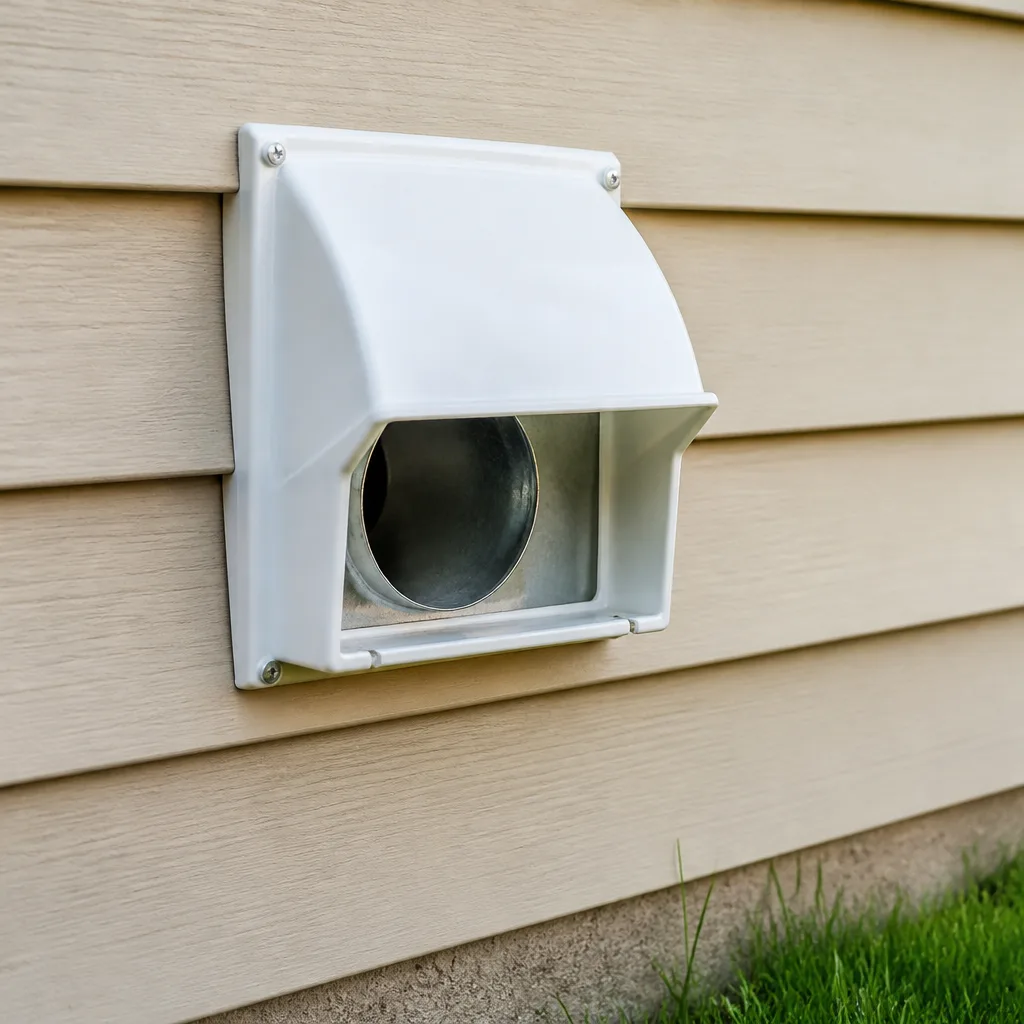 Dryer vent cleaning
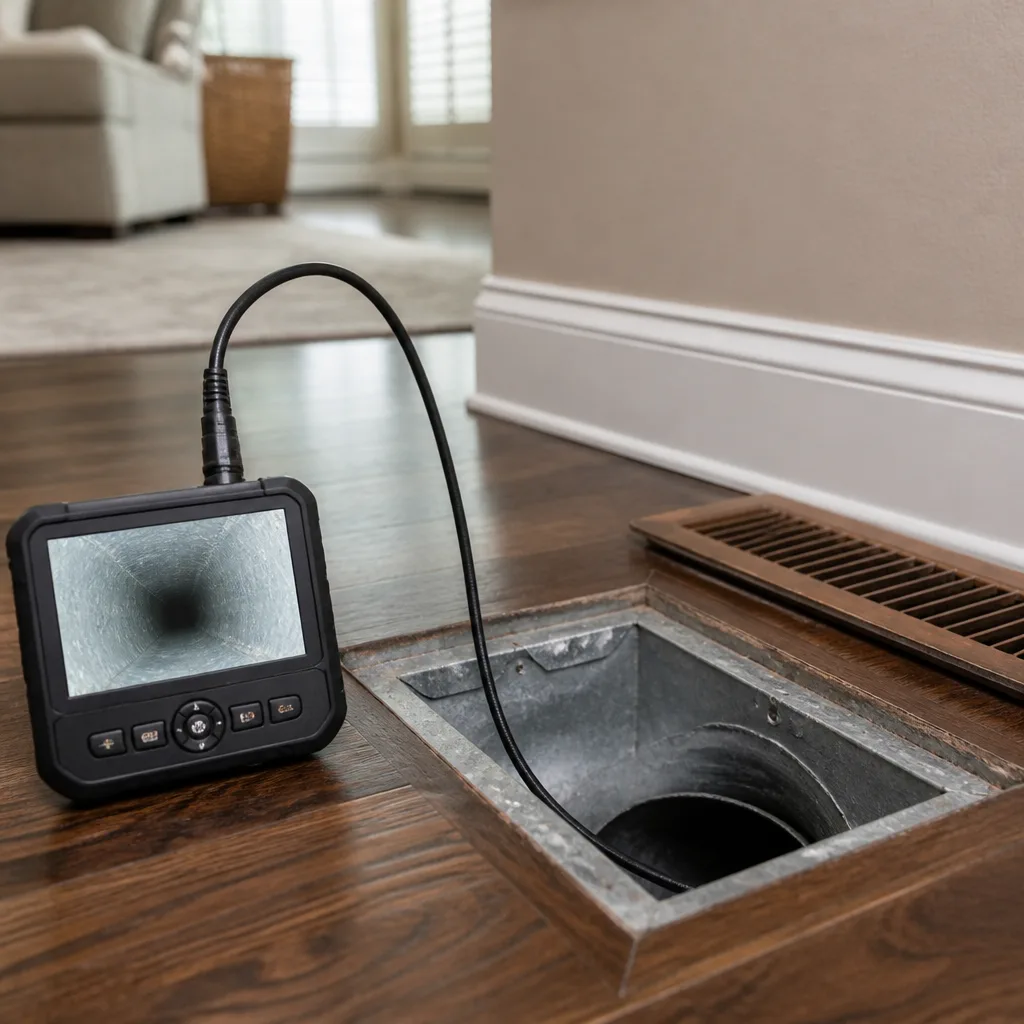 Camera inspection
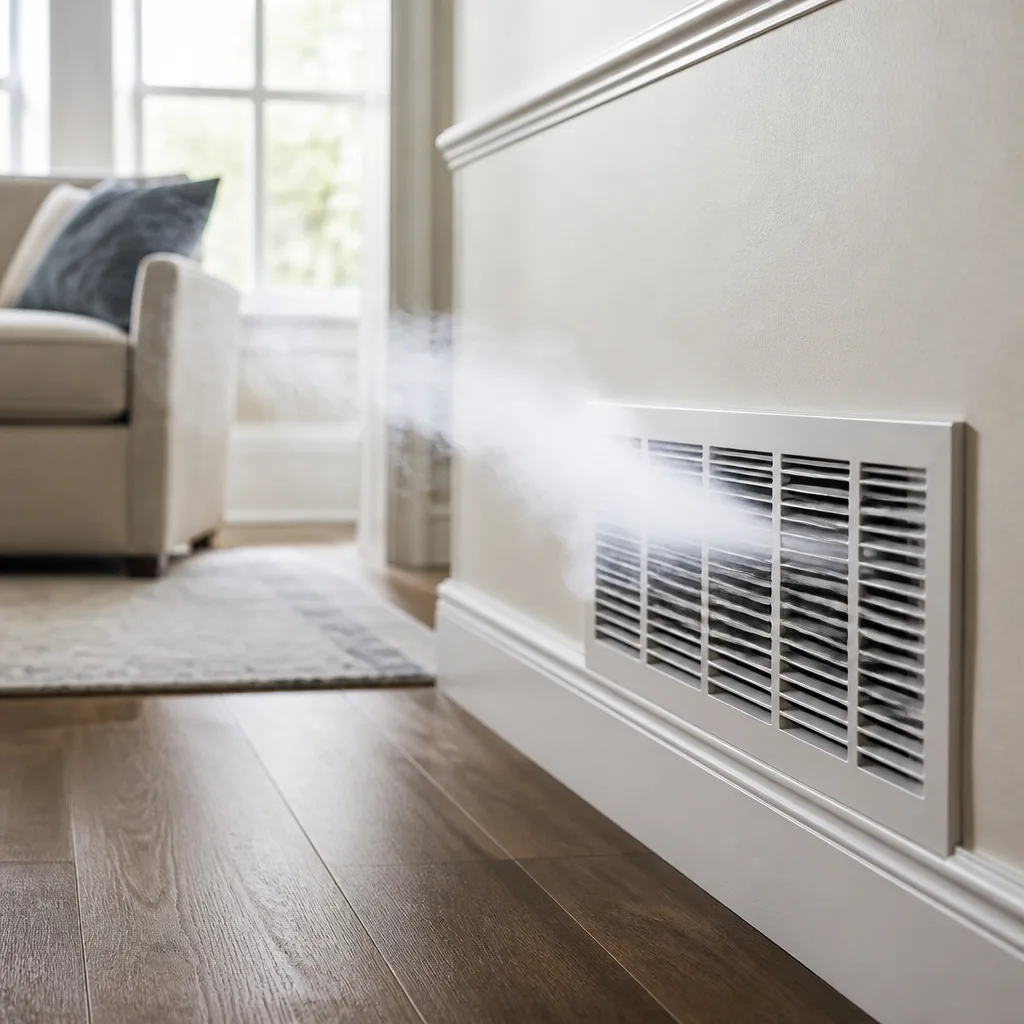 Sanitizing & deodorizing
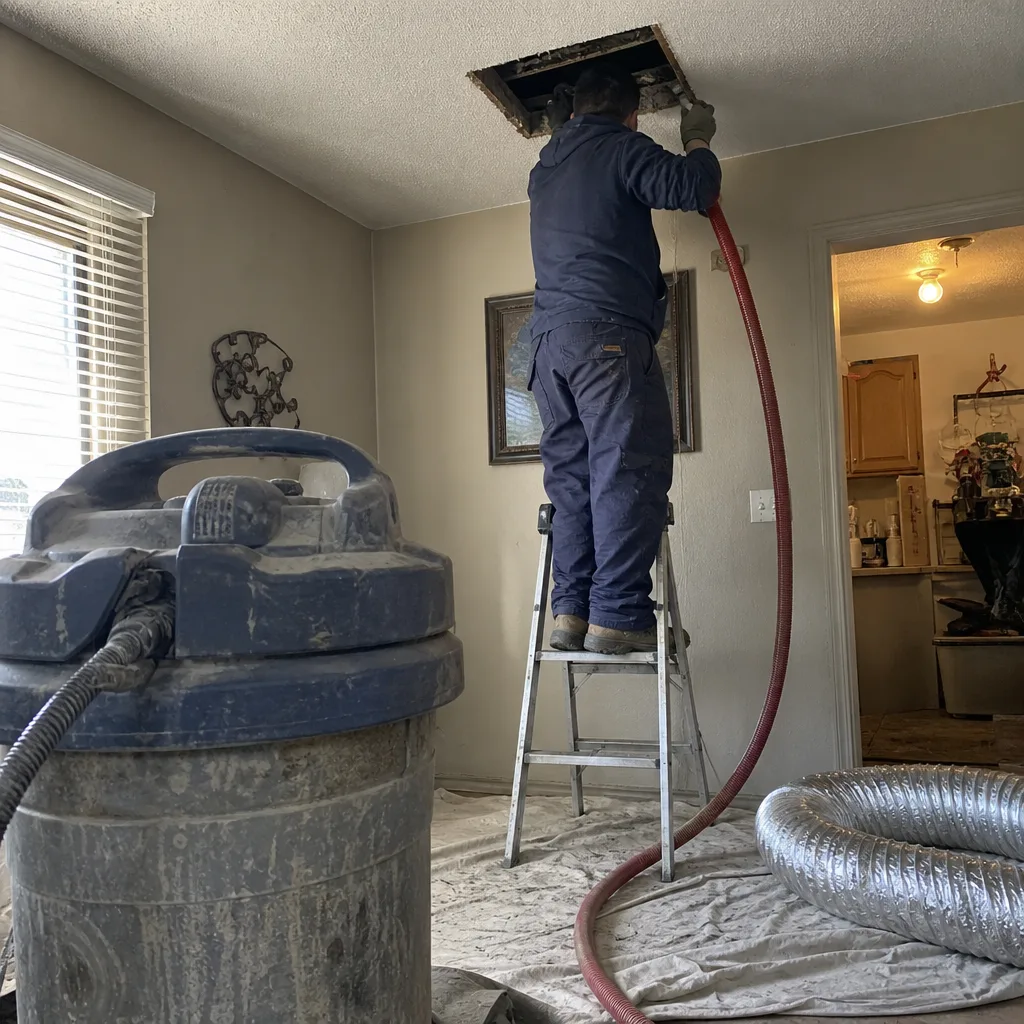
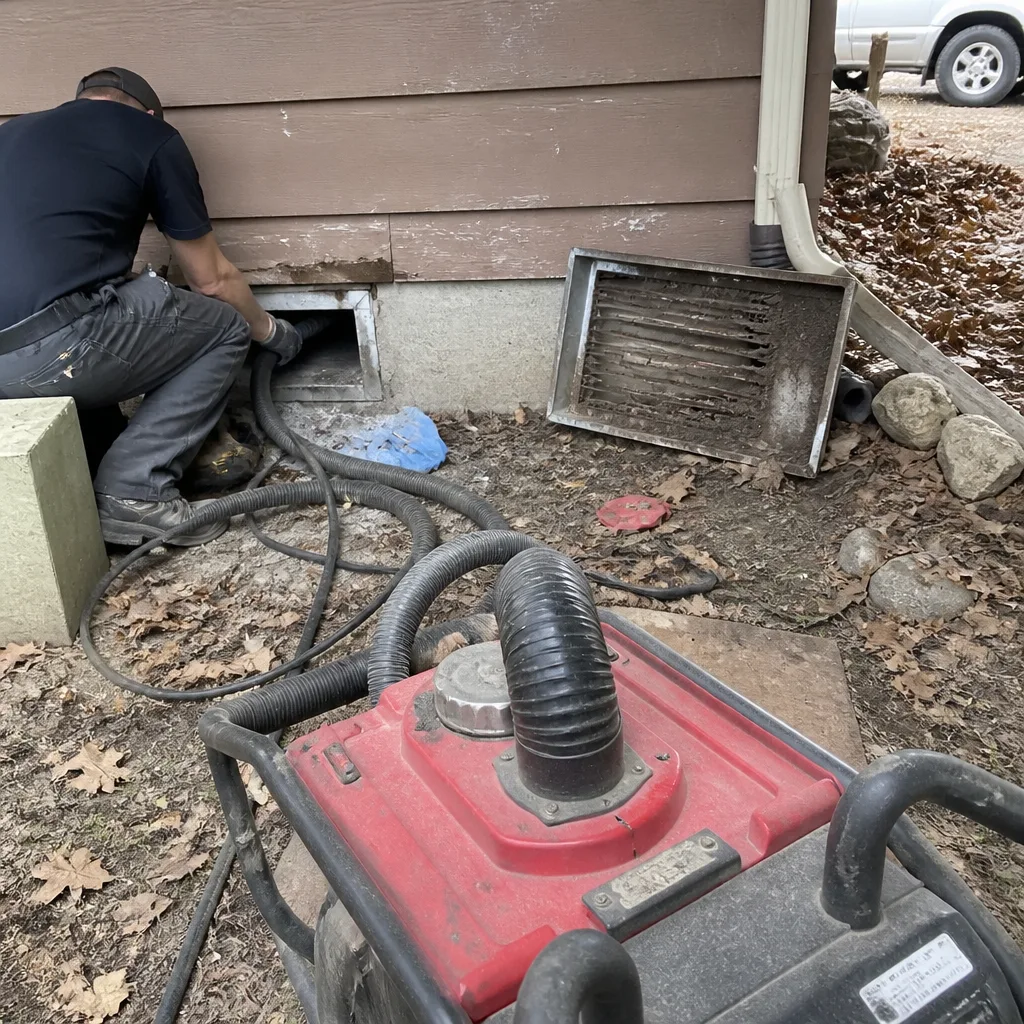
Whole-system duct and dryer vent check with before-and-after photos - you see exactly what came out of your vents
That "$99 whole-house special" is a bait ad - the real number appears once they are in your hallway, or the "clean" is a shop-vac at the register. We photograph the inside of your ducts before and after instead.
Air Duct Cleaning Maintenance Checklist for Kaysville Homeowners
Most homeowners treat air ducts like the plumbing behind the walls: out of sight, out of mind, until something goes wrong. That’s the mistake this checklist is built to prevent. Ducts don’t fail dramatically. They load up slowly, vent by vent, and by the time the symptoms show up (rising bills, a return register that’s colder than it should be, a family member sniffling every morning), the fix is bigger than a routine cleaning. A clogged return vent can raise heating costs by 15% before anyone notices. This guide gives you the monthly, seasonal, and annual checks that catch those problems early, specific to how homes in Kaysville actually run.
Quick Answer
A working air duct maintenance checklist for a Kaysville home has three tiers: monthly visual checks of registers, filters, and odors; seasonal prep tied to the fall inversion and spring construction dust; and a documented annual evaluation that tells a technician how fast your system is changing. The goal isn’t to clean more often. It’s to know what’s normal for your house so the first sign of trouble isn’t a repair bill.
Styles & brands we work with
- Whole-home duct cleaning
- Dryer vent cleaning
- Camera inspection
- Sanitizing & deodorizing
Table of Contents
- Monthly Visual Checks Any Homeowner Can Do
- Filters, Loading Rate, and What Your Filter Is Telling You
- Fall HVAC Prep Before Inversion Season
- Spring Post-Construction and Pollen Dust Purge
- What to Document Between Cleanings
- Red-Flag Conditions That Move a Task From Checklist to Call Now
- How Duct Sealing Status Affects Re-Contamination
- The Annual Evaluation
Monthly Visual Checks Any Homeowner Can Do
This is the part of the checklist that costs nothing and catches the most. Fifteen minutes a month, walking your house with a flashlight and a notebook, gives you a baseline. Without a baseline, every symptom feels like it appeared overnight. With one, you can say “the return in the hallway started running warm two weeks ago,” which is exactly the kind of observation that saves a technician time on the diagnostic end.
Here’s what to check:
- Supply registers: Look at the grille and the first inch of visible duct behind it. A thin film of dust is normal. A dark streak radiating from the register, or dust visibly sitting on top of the fins, is not.
- Return registers: These pull air back into the system and load up faster than supplies. Felt or visible debris on the return grille means the return is moving less air than it should. That’s usually the single fastest beat in your house.
- Unusual odors: A musty smell when the fan kicks on, a dusty smell that lingers after a filter change, or a sweet, sharp smell near the furnace are all different problems. Note which registers the smell shows up at.
- Airflow feel: Hold the back of your hand about six inches from each supply register. Does each one push roughly the same amount of air? A weak register in one room and a strong one in another is airflow asymmetry, and it usually points to a duct problem, not a furnace problem.
- Dust pattern: Wipe a single shelf on the same day each month. If the shelf re-dusts noticeably faster than it did the month before, your ducts are shedding more than they used to.
In Kaysville, a lot of these same observations get filed away as “spring dust” or “winter dry air.” Many of those symptoms are actually duct-borne. There’s no need to guess, and no need to reach for anything more than a flashlight and a note on your phone.
Filters, Loading Rate, and What Your Filter Is Telling You
A filter that loads up in six weeks tells you something very different from a filter that lasts twelve. The interval itself is a diagnostic, and it’s the number most homeowners never track. Filter loading rate reflects how much debris is entering the return side and how well the filter is catching it. Two homes of the same size on the same street in Kaysville can have completely different loading rates if their ductwork differs in one place: the return.
A simple way to track it:
- Write the install date on the filter itself with a marker as soon as it goes in.
- Check it at the two-week mark, then every two weeks until it needs replacing.
- Record how many days it lasted, and note whether the loading is even across the filter face or concentrated to one side.
- Keep three or four months of records. Your technician needs a trend, not a single data point.
Uneven loading is a signal worth paying attention to. A filter that loads on the left half and stays clean on the right usually means the return is pulling air harder from one direction, which points to a restricted or undersized return duct. That’s a Duct Repair & Sealing answer, not a filter answer, and no filter on the market will fix it.
The other half of this task is choosing a filter that doesn’t over-restrict your system. Higher MERV ratings catch more particles but create more static pressure. In a Kaysville home with a standard furnace, going from a basic filter to a high-MERV filter without confirming the return can handle it can actually lower airflow and make the dust problem worse. If you’re upgrading, ask whoever services the system, not the shelf at the store.
Fall HVAC Prep Before Inversion Season
Kaysville sits in a bowl. The Wasatch Front’s inversions are a fact of life from roughly late fall into winter, and when the valley traps cold air under a warm layer, the particulate that would normally disperse stays put for days. That’s an outdoor-air story, but it’s not separate from your indoor-air one. Homes that tighten up for the season, running furnaces with windows shut, spend more hours breathing air that’s been through their own ducts. Fall is when you want the system clean and the filter fresh.
A sensible fall sequence looks like this:
- Change the filter before the heating season’s first run. Don’t wait for the furnace to tell you.
- Walk every supply and return with the flashlight and note any register with visible debris from the summer’s cooling season.
- Schedule Kaysville Air Duct Cleaning or an equivalent service if the last cleaning predates the summer cooling run. Cooling season pulls in pollen, dust, and whatever’s airborne, and it all deposits where the airflow slows.
- Look at the furnace cabinet for dust around the access panel. A film of dust there is normal. A pile is not.
- Note the smell when the heat first kicks on. A brief dusty smell is expected after months off. A smell that persists past the first heat cycle is not.
The threshold most homeowners miss is timing. Cleaning before the heating season means the system’s cleanest air is the air you breathe during the months you’re indoors most. Cleaning after the first month of heat means you spend the worst of the inversion season with whatever was already in the ducts. If you’re already seeing elevated dust or a family member with allergies flaring, that’s a sign to schedule sooner rather than later.
Spring Post-Construction and Pollen Dust Purge
Spring in Kaysville is when two things happen at once: the pollen season peaks, and many homes finish the renovations and remodels that waited out the winter. Both are duct events. Remodels produce construction dust that finds its way into return ducts through open doorways and gaps around the furnace cabinet. Pollen blows in every time the house is opened up. By late spring, ducts can carry a visible layer of both.
The post-construction case is the one that most often needs more than a standard clean. Fine drywall dust, sawdust, and fiberglass particulate settle into the return-side ductwork and can smother a furnace’s heat exchanger airflow. If you’ve just finished a remodel, a basic vacuum-and-brush pass may leave that material behind. This is where professional-grade equipment matters. Rotobrush rotary-brush systems and Nikro HEPA-filtered vacuums are purpose-built for duct cleaning and actually remove what’s on the walls of the duct rather than moving it around. In heavier contamination cases, Abatement Technologies equipment handles HEPA-level containment so dust doesn’t re-enter living space while the work is happening.
For a spring checklist:
- Change the filter on the first of the month through spring, or sooner if loading rate says so.
- Look at supply registers in any room that just had drywall work. Visible white dust on the register fins is a clear sign.
- Note the home’s smell the day after the windows have been open for a stretch. If it changes, dust and pollen are entering the system faster than it can clear them.
- Have the ducts inspected after any remodel that involved cutting into walls or ceilings.
If you want the full service behind this check, air duct cleaning is the right starting point.
What to Document Between Cleanings
Here’s the piece that separates a homeowner who can describe a problem from one who can’t. Rate of change matters more than current condition. A duct that looks the same as it did two years ago at the last cleaning is steady. A duct that looks worse than it did six months ago is telling you something is changing. Only one of those cases is reliably caught with a single visit.
A useful record for a Kaysville home can be kept in a notebook or a phone note. It should capture:
- The date of each professional cleaning and any repair or sealing that was done.
- Filter loading intervals in days, tracked month over month.
- Photos of each register on the same day each season, shot from the same angle. The photos are the record.
- Any changes in home conditions since the last cleaning: new pets, a completed remodel, new carpet, a room added, new occupants.
- Symptom dates, not just symptom presence. “The upstairs return started running warm on March 4” is a data point. “The upstairs return feels off” isn’t.
We’ve seen the difference firsthand. Homeowners who bring notes get a faster diagnosis and less unnecessary work. Homeowners who don’t get a cleaning based on current appearance, which may miss the actual trend.
Red-Flag Conditions That Move a Task From Checklist to Call Now
Most items on this list are “note it and watch it.” A smaller set are stops: things where waiting a few weeks makes the eventual fix more expensive or changes what service is appropriate. These conditions don’t mean the house is in danger. They mean the diagnostic shouldn’t wait.
Call for a professional visit if you see any of these:
- Visible mold inside a duct or on a register. Mold on visible duct surfaces points to a moisture source inside the system. Cleaning alone won’t solve it. This is where Air Quality & Sanitizing becomes part of the plan, not an add-on.
- Airflow asymmetry. One room that never heats or cools right while others are fine is a duct problem, not a thermostat problem.
- Debris at supply registers. Visible debris coming out of a supply is not a filter failure. It means material inside the duct is being pushed into living space.
- A persistent musty smell that shows up when the fan starts and doesn’t fade.
- Risers, or dust plumes, from a return when the system kicks on.
- Rising energy bills with no change in habits, especially if the increase tracks a season.
- Any household member experiencing new respiratory symptoms that ease when they leave the house.
A visual check is not a diagnosis. If two or three of these are showing at once, that’s not a “wait until the annual” case. It’s a sign to have the system looked at by someone who can inspect rather than just clean.
How Duct Sealing Status Affects Re-Contamination
Here’s the item that belongs on every checklist and is missing from almost all of them. Cleaning resets the system to zero. Sealing determines how fast it gets back to the problem. A cleaned duct system with leaking joints draws unfiltered air from the attic, the crawlspace, or the wall cavity every time the system runs, and that air carries dust, insulation fibers, and whatever else is in those spaces. A cleaned, sealed system only draws air through the filter. Same ducts, very different rate of re-contamination.
Kaysville homes built across a wide range of decades sit on a mix of duct configurations, and the sealing status varies more than most homeowners assume. Common leak points to look for:
- Joints where duct sections connect. A slight gap at the seam is where unfiltered air enters.
- Registers where the boot meets the wall or floor. If you can feel air escaping around the sides of the register frame when the system runs, that joint is leaking.
- Furnace connections and plenum transitions. These hard transitions are a frequent failure point.
- Flex duct connections at collars, which often loosen over time.
Why it belongs on the checklist: if the annual evaluation decides the ducts are clean enough to skip a full cleaning, but a walkthrough shows leaking joints, the answer isn’t “do nothing.” Duct Repair & Sealing in-house means the system gets fixed at the source instead of being cleaned around a problem that will simply rebuild. This is the difference between a clean system and a healthy one, and it’s why we offer both.
If you’re also due for a full system check, HVAC cleaning, dryer vent cleaning, and duct repair together cover the air pathway end to end.
The Annual Evaluation
Once a year, the checklist gets a professional read. This is where the record you’ve been keeping earns its keep: a technician with your notes can look at how the system has changed over twelve months, not just its current condition. If the record says “steady,” the recommendation is lighter. If the record says “loading faster than last year,” the recommendation changes.
A thorough annual evaluation covers:
- Visual inspection of supply and return ductwork accessible at registers and at the air handler.
- Filter review based on the notes you’ve kept, looking at loading rate and evenness.
- Airflow checks at each register to compare current reading with last year’s.
- Sealing inspection at joints, boots, and transitions to flag any new leaks.
- Air quality conversation about whether to add whole-home products that help between cleanings. Honeywell and Aprilaire filters, humidifiers, and ventilation products integrate into a home’s existing system and address what a single cleaning can’t.
- Dryer vent check, if the laundry is anywhere near the annual date. Dryer vent lint is a fire-risk buildup, and it isn’t caught by checking the ducts.
The annual evaluation also answers the question most homeowners ask: how often does the system actually need a full professional cleaning? For a typical Kaysville home, the answer usually runs somewhere between every two and every four years, adjusted for pets, allergies, remodeling, and local seasonal dust. A yearly evaluation is how you find out which end of that range your house lives on.
Common Mistakes to Avoid
- Waiting for a visible problem. By the time dust is showing at supply registers or bills have climbed noticeably, the ducts have been loading for months. The monthly check catches it early enough to matter.
- Treating filter changes as a substitute for cleaning. A new filter catches what comes through the return, but it can’t undo what’s already settled on the duct walls. The two tasks are separate.
- Skipping the ducts after a remodel. Renovation dust is the single most common contamination source we see that homeowners had no idea entered the system. A post-construction inspection is worth scheduling even if everything looks clean from the floor.
- Ignoring airflow asymmetry. A room that never heats or cools right while others are fine is usually a duct problem. Turning up the thermostat or adding a space heater treats the symptom, not the cause.
- Cleaning without addressing leaks. A cleaned-but-leaking system re-contaminates faster than one that was both cleaned and sealed. The Duct Repair & Sealing step is what extends the value of the cleaning.
- Assuming a big brand filter is the answer. Higher-MERV filters can raise static pressure and lower airflow in a system not designed for them. Ask before upgrading, and confirm the return ducting can handle it.
- Not tracking anything. Without a filter loading record and register photos, an annual evaluation has nothing to compare against. Rate of change is the real diagnostic, and it only comes from documentation.
See the difference
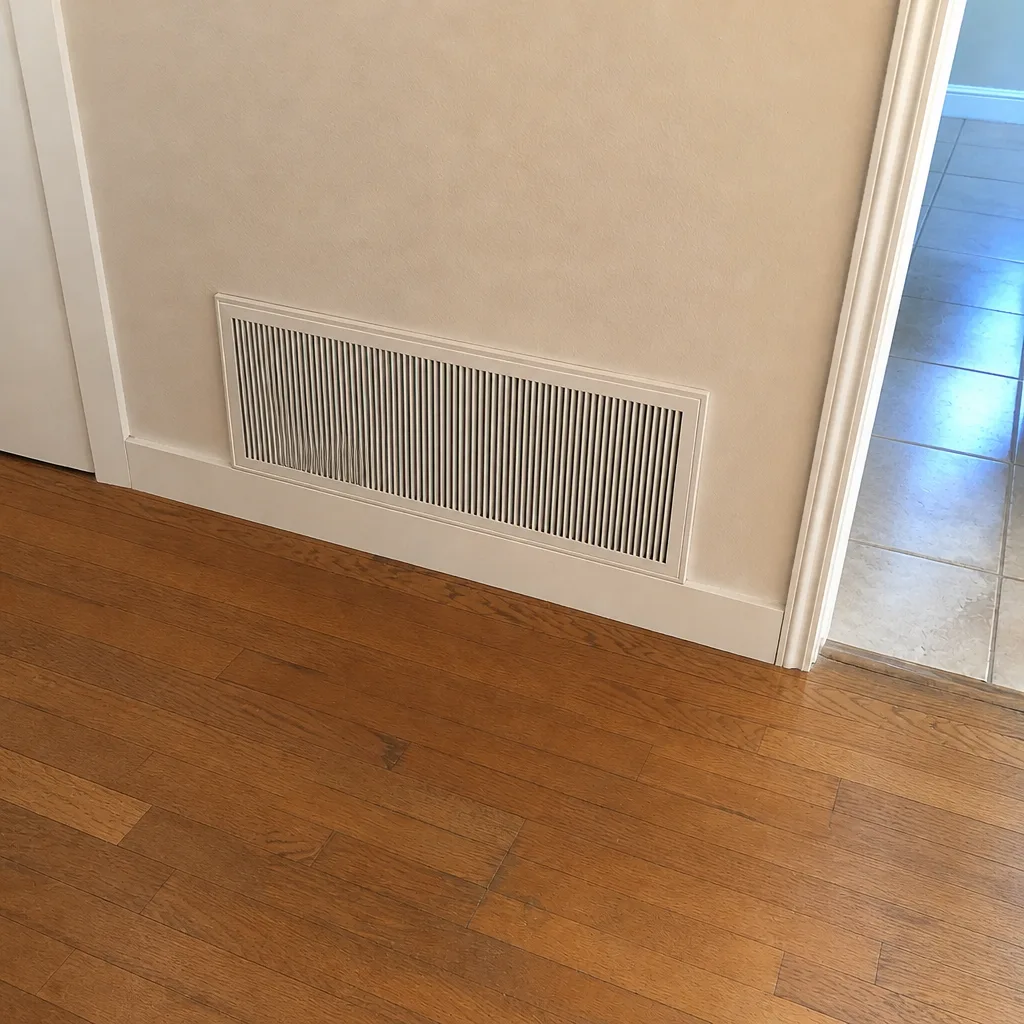
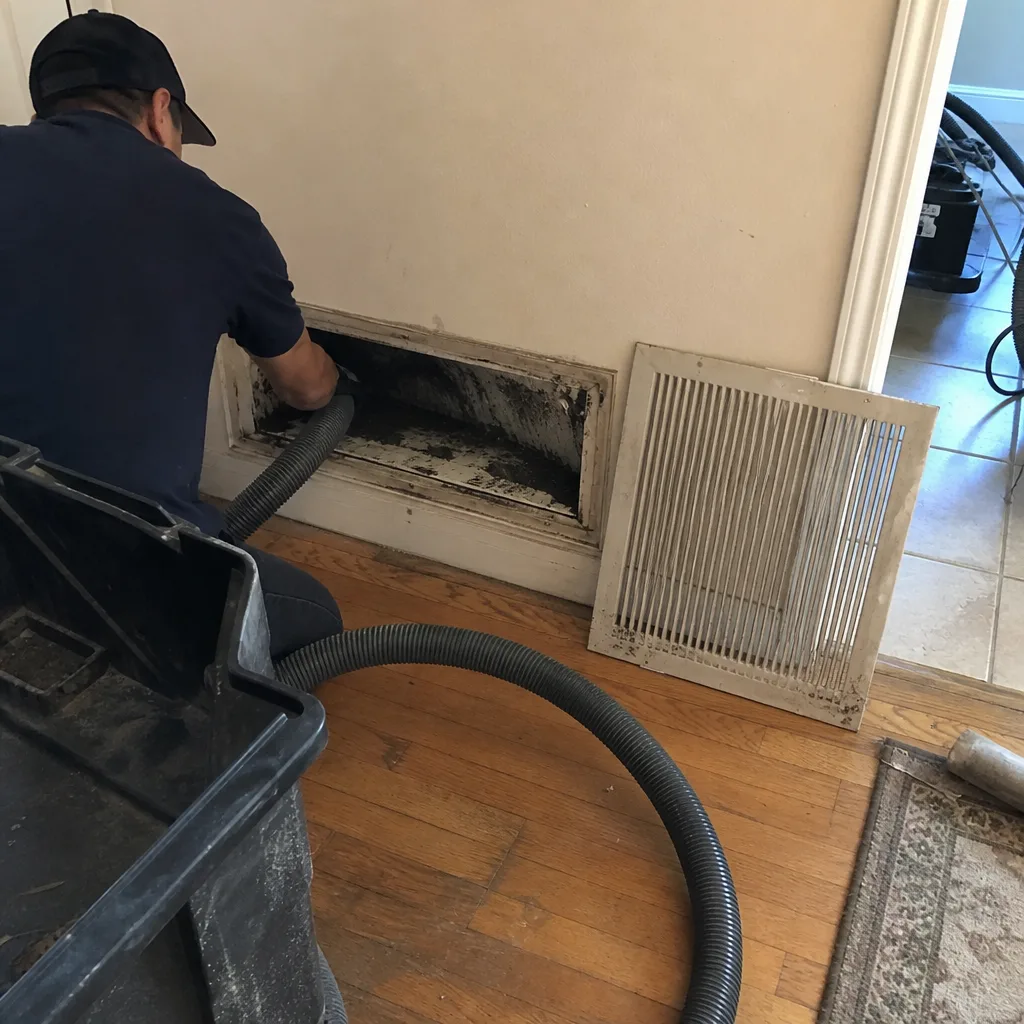 Before
 After
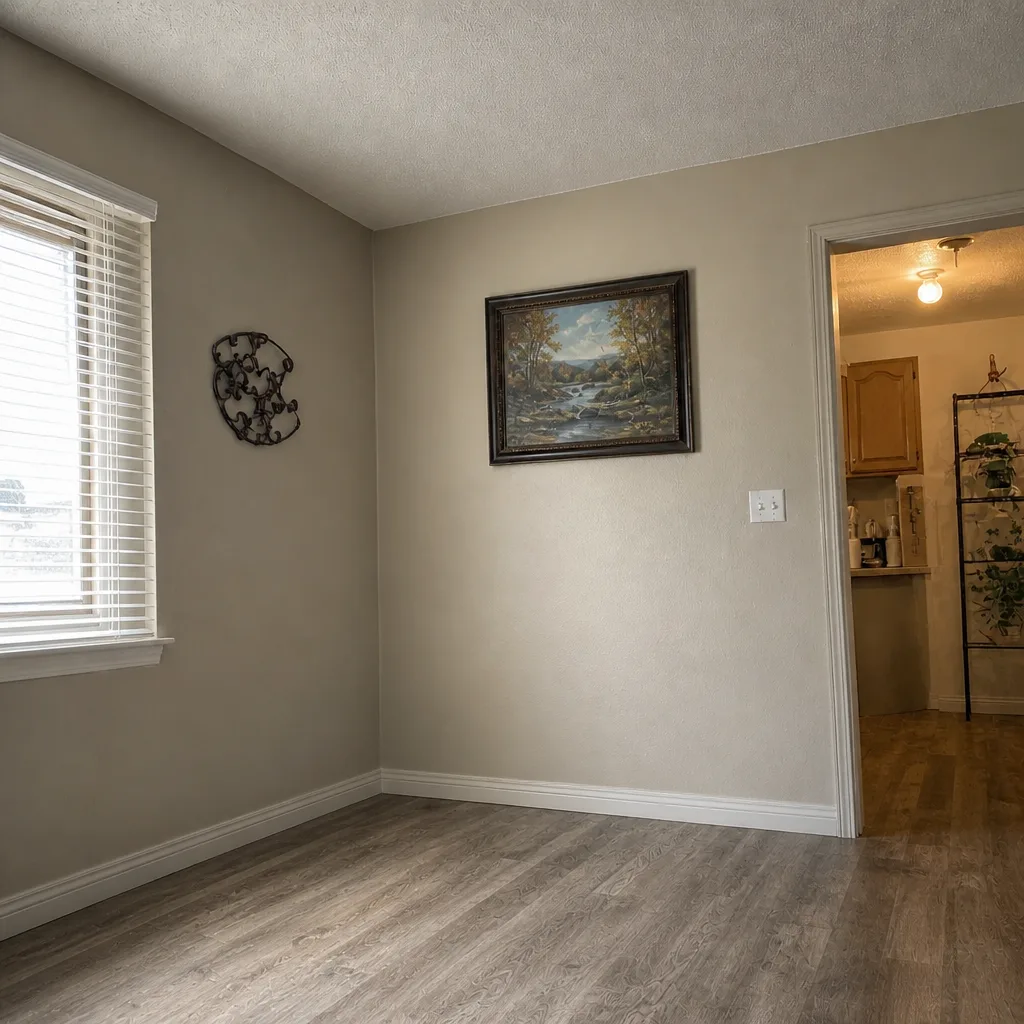
 Before
 After
 Before
 After
When to Call a Professional
Some things on this checklist are a homeowner’s to handle. Others should go to someone with the equipment to inspect, clean, and repair the whole air pathway in one visit. Call when you see visible mold inside a duct, debris coming out of a supply register, persistent musty odors, airflow asymmetry, or a filter that’s loading noticeably faster than it did a year ago. Call after any significant remodel. Call before the heating season starts if the last professional cleaning predates the summer. And call when you’ve got a record full of notes and no clear answer for what to do next. Kaysville Air Duct Cleaning offers free estimates in Kaysville. Call (877) 792-5756. We answer 24/7. Fast dispatch from 7am to 7pm, Sunday through Friday.
When you call, what gets scheduled isn’t just a cleaning. The technicians have up to 12 years of experience, use Rotobrush and Nikro equipment, and repair and seal duct leaks in-house. If the check shows a problem beyond routine, Abatement Technologies equipment handles the heavier containment work. It’s a system-level fix, not a one-step service.
Frequently Asked Questions
Most Kaysville homes need a full professional cleaning every two to four years, adjusted for pets, allergies, recent remodeling, and how much dust the home is already picking up. Homes with more than one pet or a household member with allergies usually fall toward the shorter end. Homes with clean, sealed ductwork and a fresh filter routine fall toward the longer end. The right way to determine which end your home sits on is the annual evaluation described in this guide. Call (877) 792-5756 to schedule a free estimate and get a specific answer for your house.
Visible mold inside a duct or on a register, debris coming out of a supply register, airflow asymmetry between rooms, and a persistent musty smell when the fan kicks on are all “call now” conditions. These aren’t a wait-and-watch list. Each points to a specific problem that a routine cleaning won’t solve on its own. Call (877) 792-5756 for an assessment.
Yes, and the checklist is mostly built around what you can do yourself. Monthly register inspections with a flashlight, tracking filter loading intervals, noting unusual odors, feeling airflow at each supply, and photographing registers on the same schedule all add up to a working diagnostic record. Cleaning the ducts themselves is not a do-it-yourself task. Home vacuums and improvised equipment don’t reach the duct walls and can redistribute contamination. Leave that step to a professional with the right equipment.
Feel around the edges of each register frame and the joints where duct sections meet while the system is running. If you can feel air escaping at a joint, that joint is leaking, and unfiltered air from the attic or wall cavity is entering the system. It matters because that air carries dust and insulation fibers and re-contaminates cleaned ducts faster than sealed ones. Duct Repair & Sealing fixes the leak at the source. Call (877) 792-5756 to have the joints inspected.
Have the ducts inspected for construction dust, even if everything looks normal from the floor. Drywall dust, sawdust, and fiberglass particulate settle into return-side ductwork during a remodel and can lower system airflow. The inspection tells you whether a standard cleaning addresses it or whether the contamination calls for heavier equipment. Call (877) 792-5756 to schedule the post-construction check.
They can, in the specific cases they’re designed for, and they don’t replace cleaning. Honeywell and Aprilaire products integrate with your existing system to filter, humidify, or ventilate on an ongoing basis. Guardsman registers and grilles are another upgrade path when the existing fittings are a weak point. What these products don’t do is remove what’s already settled in the ducts. That’s why we recommend cleaning first, then evaluating whether the products make sense. Call (877) 792-5756 to talk through what fits your system.
The Bottom Line
Air duct maintenance is a three-tier system, not a single appointment. Monthly visual checks catch problems between visits. Fall and spring seasonal tasks match what Kaysville’s inversion season and construction cycles actually do to a home’s air. Annual evaluations track rate of change, which is what actually matters. The two pieces most homeowners miss are documentation and sealing. Without a record, a technician sees current condition and can only guess at whether it’s getting worse. Without sealed ductwork, a clean system re-contaminates faster than it should. The checklist works because it moves the conversation from “does this need cleaning?” to “what’s this system doing, and what does it need next?”
Contact
If something on this checklist has moved from “watch” to “let’s look at it,” call Kaysville Air Duct Cleaning at (877) 792-5756 for a free estimate. We answer 24/7. Fast dispatch from 7am to 7pm, Sunday through Friday. Cleaning, duct repair and sealing, HVAC cleaning, dryer vent service, and air quality solutions, all under one roof for Kaysville homes.
Written by the team at Kaysville Air Duct Cleaning.